Song Meaning
The lyrics paint a poignant picture of a young person preparing to leave home, facing the inevitable misunderstanding and sadness of their mother. The narrator anticipates their mother's tears and inability to grasp their need to depart, stating, "So già che non mi capirai." This sets up a central tension between the desire for independence and the pain of leaving loved ones behind, particularly the maternal figure.
The core conflict arises from the narrator's burgeoning need to explore beyond the confines of their familiar world, symbolized by the hedge surrounding their house. The mother's love, while acknowledged as the source of their ability to move forward ("Mi hai insegnato tu / A camminare"), now paradoxically becomes something they must move beyond. The repeated phrase "Ma non mi puoi fermare" underscores a determined, almost desperate, push for self-determination against perceived limitations.
The most striking craft element is the recurring image of "la siepe" (the hedge) as a boundary between the known and the unknown, the past and the future. The narrator's declaration, "Io sono già / Oltre la siepe," signifies a mental and emotional departure that precedes the physical one, highlighting a profound internal shift. The farewells to the olive trees and the stream, addressed as "Ricordi miei / Amici miei," personify the cherished elements of their childhood, imbuing the act of leaving with a sense of profound loss and enduring connection.
This song resonates because it captures the universal, yet deeply personal, ache of growing up and moving away. The direct address to "Mamma" grounds the abstract concept of leaving in a specific, relatable relationship. The lyrics don't just state the desire to leave; they articulate the emotional cost and the internal resolve required, making the narrator's departure feel both inevitable and heartbreakingly significant.
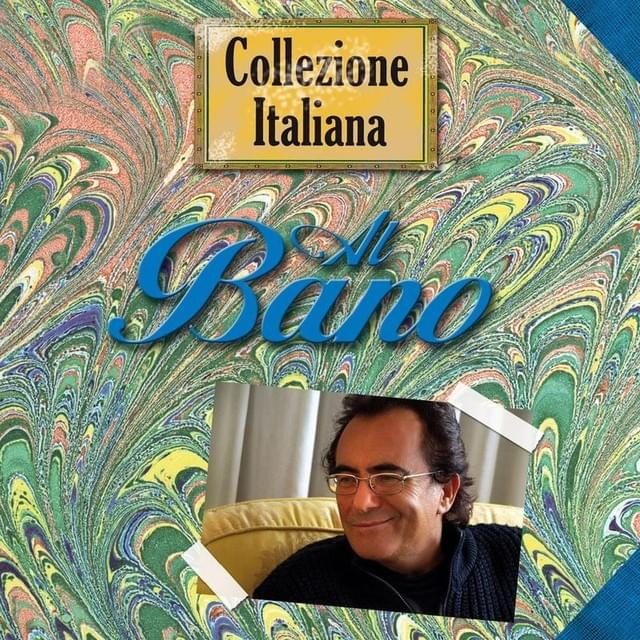
 View Artist