Song Meaning
The lyrics paint a picture of overwhelming, almost tempestuous love that consumes the narrator's thoughts and feelings. The opening lines establish a sense of lingering melancholy from the night, which is then violently disrupted by a storm. This storm, however, doesn't bring destruction but rather focuses the narrator's entire being onto a singular, eternal presence: 'Esisti tu.' This person is presented not just as a thought, but as an 'eternal sun that will never set,' anchoring the narrator's reality and desires.
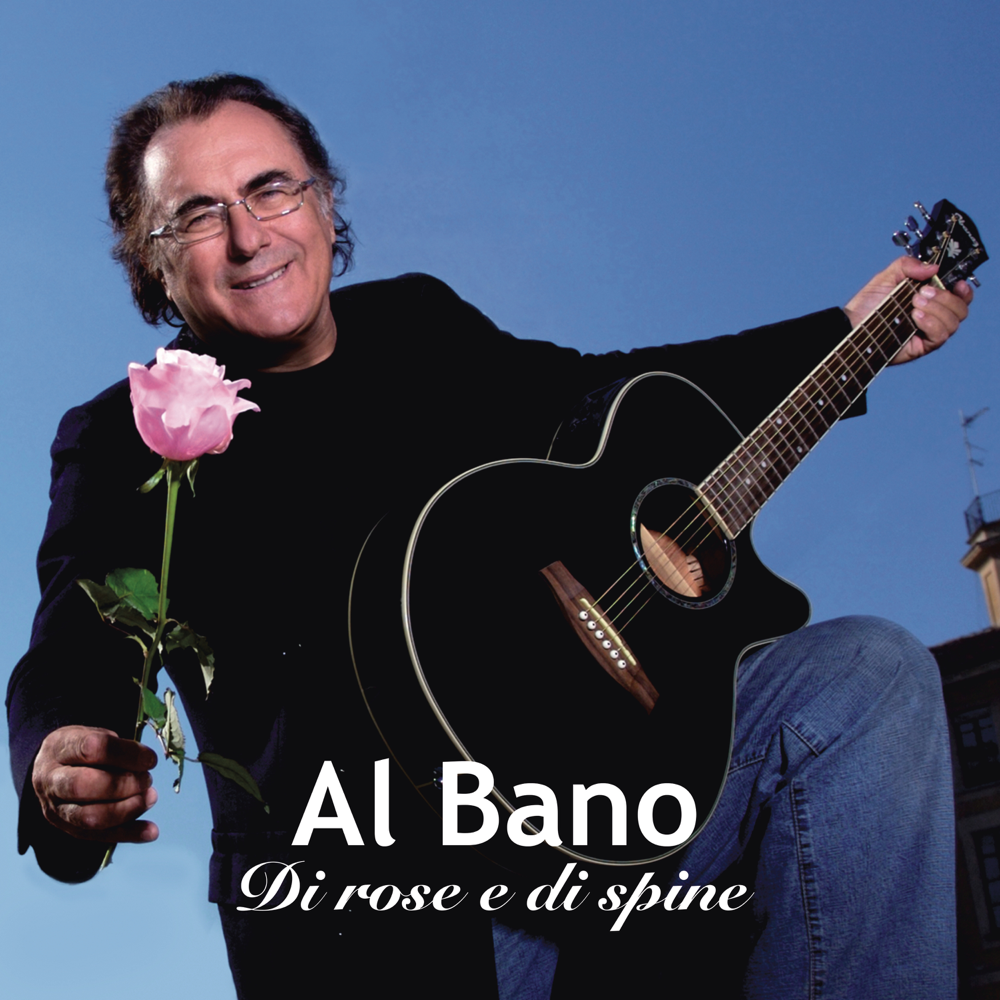
The central tension lies in the inadequacy of time and life itself to express the depth of this love. The narrator feels an urgent need to convey everything felt 'dentro me,' but acknowledges that 'another life won't be enough.' This profound feeling fuels a 'fire that no one will extinguish,' a love that intensifies with each moment, described as 'always more' and 'even more.' The core of this powerful emotion is captured in the striking phrase 'Di rose, di spine' – acknowledging that this boundless love is inherently intertwined with both beauty and pain.
The craft here is in the stark contrast and escalating intensity. The initial 'malinconie' and the 'temporale' are powerful images, but they serve to highlight the singular, unwavering focus on 'tu.' The repetition of 'Esisti tu' reinforces this central fixation. The declaration that 'another life won't be enough' is a dramatic hyperbole that effectively communicates the overwhelming nature of the narrator's devotion. The final, repeated image of 'rose, di spine' encapsulates the complex, dual nature of such all-consuming affection, suggesting it is both exquisite and potentially perilous.
This writing resonates because it captures the feeling of love that transcends ordinary expression and even the limits of existence. The narrator isn't just in love; they are consumed by it, finding their entire world, past, present, and future, defined by this singular person. The acknowledgment of both the 'rose' and the 'spine' lends a mature complexity, suggesting that true, deep love isn't simple or painless, but rather a profound, multifaceted experience that is worth every thorn.
 View Artist