Song Meaning
This is a raw plea, not a polished prayer. The narrator admits their own failings, confessing, "Non so se la mia è una preghiera" (I don't know if mine is a prayer). Yet, the overwhelming need for divine comfort is palpable, a desperate cry stemming from a place of deep personal struggle and perhaps guilt. The dominant tone is one of vulnerability and a yearning for forgiveness.
The central tension lies in the narrator's self-awareness of their shortcomings versus their profound need for the divine. They acknowledge, "Perché a volte mi scordo di Te" (Because sometimes I forget about You), highlighting a disconnect between their spiritual needs and their actions. This internal conflict fuels the plea, making it feel less like a ritual and more like an urgent, almost involuntary, outpouring.
The lyrics masterfully use the concept of the "Madre pia" (pious Mother) not just as a religious figure but as an internalized presence. The repeated phrase "Sta' qui nell'anima mia" (Stay here in my soul) suggests a desire for constant spiritual grounding, a plea for this maternal solace to be an enduring part of their very being. The shift from admitting they forget to actively weeping "per Te" (for You) marks a turning point, a moment of genuine remorse and connection.
What makes these lyrics so resonant is their unflinching honesty about human imperfection. The narrator doesn't pretend to be devout; instead, they lay bare their struggles and their desperate need for grace. This unvarnished confession, coupled with the direct address to a maternal, forgiving figure, creates a powerful emotional impact, making the plea feel deeply personal and universally understood.
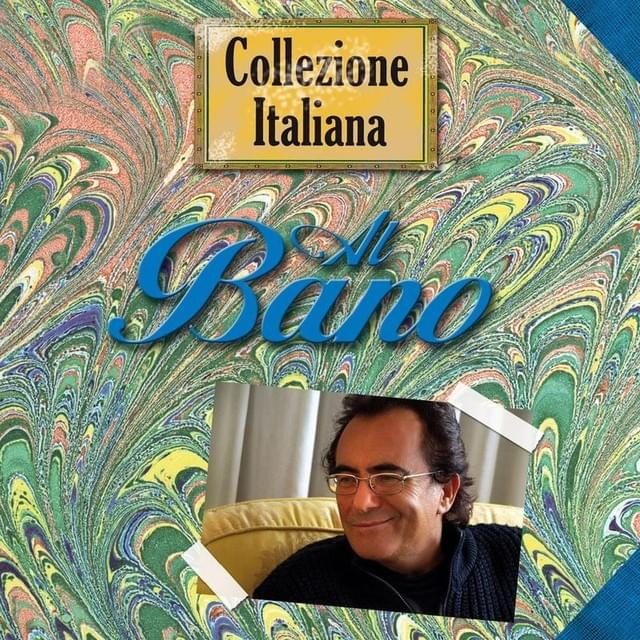
 View Artist