Song Meaning
The lyrics paint a vivid picture of a fleeting moment, a desperate plea to hold onto something precious that's slipping away. The narrator begs for just "un attimo" – one more moment – to savor a connection that feels like a dream, a voice that fades into memory. This initial plea is steeped in a sense of immediate loss, likening the presence to essential elements like fire and water, desperately needed to combat the encroaching "solitudine" (loneliness).
The central tension lies in the conflict between the desire for permanence and the inevitability of transience. The narrator asks for unspoken words to be revealed, for a connection to be "imprinted on the skin," suggesting a deep yearning for something tangible and lasting. Yet, this plea is framed by the understanding that the moment is inherently temporary, like a train returning from the past, only to move on again. The repeated question, "Solitudine, che fai?" underscores the constant presence of loneliness, a stark contrast to the desired connection.
The craft here hinges on potent, yet simple, imagery and repetition. The recurring phrase "Resta ancora un attimo" acts as an anchor, a desperate mantra against the tide of fading time. The comparison of the moment to a "treno che ritorna dal passato" is particularly effective, evoking a sense of nostalgia and the bittersweet nature of memory. The lyrics suggest that even in the face of potential heartbreak, love offers a defiant hope, a belief that "chi ama può sfidare il mondo" (who loves can challenge the world).
Ultimately, the power of these lyrics comes from their raw emotional honesty and the delicate balance between hope and despair. The final lines, looking towards an uncertain horizon where "tutto cambierà" (everything will change), offer a glimmer of possibility. It’s this acknowledgment of the ephemeral, coupled with a persistent, quiet hope, that makes the plea to "resta ancora" so resonant.
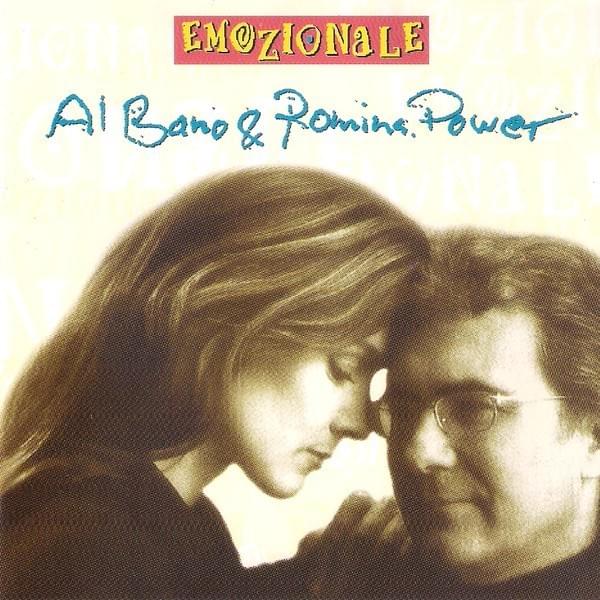
 View Artist