Song Meaning
The narrator is on a relentless quest, seeking a profound presence or connection across a vast spectrum of existence. The search begins with natural beauty – the vibrant hues of a rainbow, the tranquility of a clear day, the sight of seagulls, and the trails of airplanes. This initial imagery establishes a tone of hopeful, almost spiritual, exploration, extending the search to the cosmic expanse: "fra le stelle e al di là" (among the stars and beyond). The lyrics paint a picture of someone looking for something essential, something that transcends the ordinary.
The search then expands to encompass diverse landscapes and intimate human experiences. From the starkness of snowy mountain forests and clean country roads to the softness of garden roses and the pure joy in children's smiles, the narrator finds traces of this sought-after entity. This juxtaposition of grand natural scenes with small, tender human moments suggests that the object of their search is both everywhere and deeply personal. The phrase "Io ti cerco nella strada che farò" (I look for you on the road I will take) emphasizes the ongoing nature of this pursuit, framing life itself as the path of discovery.
A powerful shift occurs with the introduction of more elemental and intense imagery: "Nei vulcani che ardono da sempre" (In volcanoes that have always burned) and the warmth of a handshake. This contrast between primal, enduring forces and simple human connection highlights the multifaceted nature of what is being sought. The lyrics suggest a deep, almost existential longing, finding echoes of this presence in the "sguardo solare" (sunny gaze) and the anticipation of future peace. The recurring declaration, "Ti amo, ti vivo" (I love you, I live you), coupled with phrases like "M'innalzo in volo" (I rise in flight), reveals an ecstatic, transformative relationship with this entity, where love and life become one, enabling the narrator to follow its "volo" (flight).
The final verses broaden the scope to include the fundamental elements of life and shared human experience, particularly suffering. The search continues in clear streams, calm lakes, and gentle rain, connecting the presence to life-giving forces. More poignantly, the narrator seeks this entity in "nenie di popoli lontani" (lullabies of distant peoples) and in the prayers of those who suffer most. This inclusion of hardship and collective human expression suggests that the sought-after presence is not just in beauty or peace, but also in empathy and shared vulnerability. The repeated lines, "Io ti cerco dove un uomo nascerà" (I look for you where a man will be born), ultimately ground the expansive search in the very act of human creation and resilience, implying that this presence is found in the enduring spirit of humanity itself.
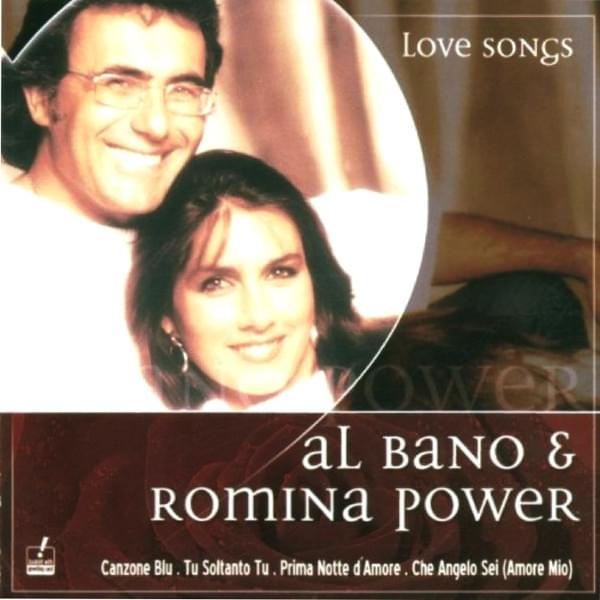
 View Artist