Song Meaning
The lyrics open with a stark declaration: "L'Alternative n'est pas, n'est plus." This immediate sense of finality sets a melancholic tone, establishing that "The Alternative" is now merely a memory, its existence fleeting "le temps d'un soupir." The speaker quickly reveals a deep personal investment, having given "Ma foi et mon âme," pouring their very essence into this lost cause.
The central tension arises from the speaker's unwavering dedication in the face of inevitable decline. They recount witnessing "le début et la fin," enduring "tous les crépuscules sans matins"—a powerful image of endless twilight without the promise of dawn. Despite seeing the "navire sombre," the speaker remained, highlighting a profound loyalty even as everything crumbled. This paints a picture of a struggle against an unstoppable force, where personal effort ultimately proved insufficient.
A striking shift occurs with the collective plea, "Laissez-nous gueuler maintenant." This desperate call to "réanimer le néant"—to reanimate the void—is both ironic and deeply human. It suggests a need for a cathartic, loud expression of grief and defiance, a collective song "dans le noir" to combat despair, even if the ultimate goal of reviving what's lost seems impossible. This moment offers a brief, shared release from individual sorrow.
Ultimately, the lyrics return to the personal impact of this profound loss. The speaker admits to trying "de tout mon cœur" to protect a "rêve flou," but the inescapable truth is that "l'Alternative n'est pas, n'est plus." The imagery of wandering "comme un soldat perdu" and a fire that "s'essoufle dans ses cendres" powerfully conveys a state of utter exhaustion and lingering desolation. This persistent focus on decay and the finality of what's gone makes the lyrics resonate with the quiet, enduring pain of a deeply felt failure.
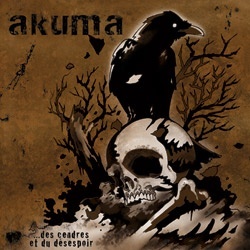
 View Artist