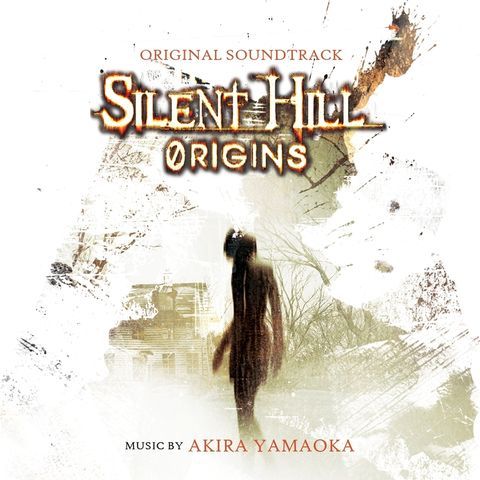
Song Meaning
The lyrics paint a stark picture of familial disconnect and lingering resentment, framed by a sense of profound isolation. The opening questions, "Is it lonely where you are / In there, Dad?" immediately establish a tone of distance and concern, hinting at a father figure who is physically or emotionally absent. The narrator probes the darkness, questioning if it even recognizes this absent parent, and then extends that same question to "Mom," suggesting a shared, perhaps even inherited, state of being lost or forgotten.
The central tension revolves around a deep-seated betrayal and the narrator's inability to move past it. The line "She said her blood turns to ash / Laughing" is a striking image of internal decay and a possibly deranged coping mechanism, juxtaposed with the narrator's direct accusation: "Dad, do you know what you've done this time to me?" This isn't just about a past event; it implies a recurring pattern of harm. The chorus amplifies this with "Burning eyes can't forgive you," a visceral expression of anger that feels unyielding, while the "howling moon drives on" suggests an indifferent, relentless passage of time that offers no solace.
The lyrics employ potent, almost surreal imagery to convey emotional states. The idea of "blood turns to ash" speaks to a complete desiccation of life or spirit, while the "burning eyes" and "howling moon" evoke a primal, almost gothic atmosphere of unresolved conflict. The narrator seems to grapple with the father's perceived self-deception or denial, noting "your illusion / What you see in me is..." and later, "Maybe, there on the edge is your hope / But you don't look down, why?" This suggests the father is either blind to the damage he's caused or actively avoiding confronting the reality of his actions and their impact.
Ultimately, the effectiveness of these lyrics lies in their raw, unflinching portrayal of emotional damage within a family context. The narrator's inability to forgive, coupled with the haunting, almost elemental imagery, creates a powerful sense of enduring pain. The questions posed are not seeking answers but are rather a desperate, almost accusatory monologue, highlighting the chasm between the narrator's experience and the father's apparent detachment or denial.