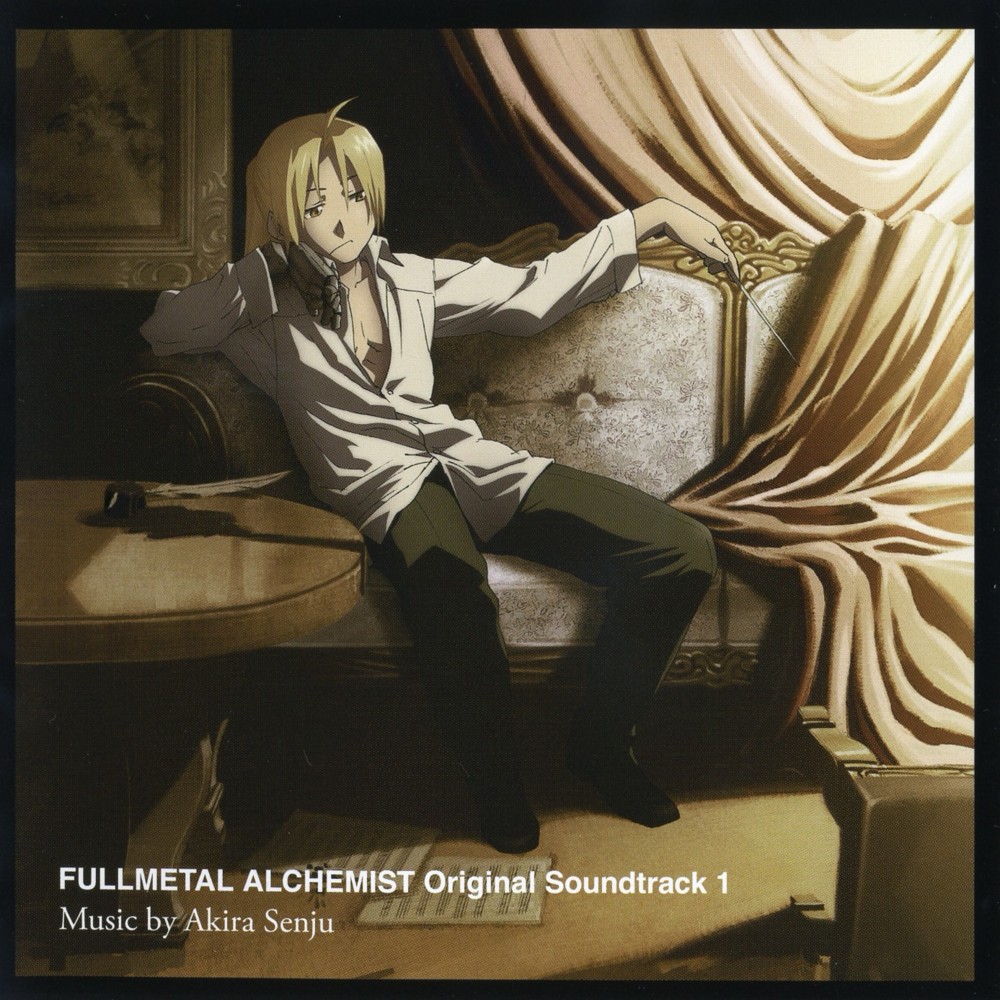
Concerto: Brotherhood
Song Meaning
The lyrics for "Concerto: Brotherhood" are entirely instrumental, offering no direct narrative or emotional cues through text. Therefore, any interpretation must be derived solely from the implied experience of listening to such a piece. The title itself, "Concerto: Brotherhood," suggests a musical composition designed to evoke themes of unity, shared experience, and perhaps a collaborative spirit among musicians or within a listening audience. It points towards a piece that aims to build and release tension through musical dialogue, much like a conversation or a shared struggle and triumph. Without words, the music itself becomes the sole carrier of meaning. A concerto typically features a solo instrument accompanied by an orchestra, implying a dynamic interplay between individual expression and collective support. The "Brotherhood" aspect further reinforces the idea of connection and mutual understanding, suggesting that the solo voice and the orchestral ensemble are working in harmony, perhaps representing different facets of a shared identity or a collective endeavor. The absence of lyrics forces the listener to engage with the raw emotionality and structure of the music, focusing on melody, harmony, rhythm, and dynamics to convey its message. The effectiveness of such a piece would lie in its ability to translate the abstract concept of brotherhood into sonic terms. This could be achieved through soaring melodic lines that represent individual voices finding common ground, or through powerful orchestral passages that convey the strength of unity. The development of musical themes might mirror the building of relationships, with moments of conflict and resolution reflecting the complexities of connection. Ultimately, the music aims to create a visceral, shared emotional landscape that resonates with the listener on a fundamental, non-verbal level, allowing for personal interpretation of what brotherhood sounds like.
 View Artist
Lyrics
[Instrumental]
Rate this song
0/5.0 - 0 Ratings
Loading comments...
Credits
- Writers
- 千住明 (Akira Senju)