Song Meaning
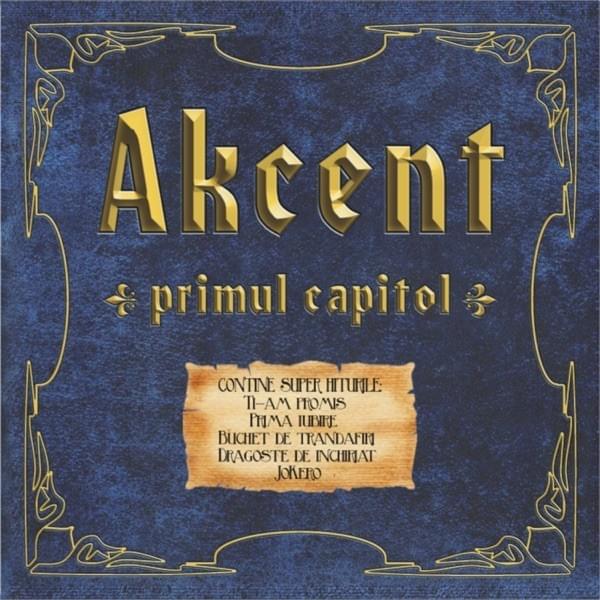
This track opens with a stark realization: the narrator met someone who claimed to choose them, only to quickly discover a self-serving nature. The early days reveal a partner with an inflated ego, someone who couldn't even walk straight, yet the narrator desperately wanted to believe in their genuine affection. This desire to believe clashes with the emerging truth that the partner's actions are solely for their own benefit, a theme that echoes throughout.
The central tension lies in the narrator's broken promise and the harsh reality of their financial limitations. The repeated refrain, "Si ti-am promis c-o sa te iau, o sa te iau cu mine / Dac-ar fi sa plec," reveals a commitment made under different circumstances. Now, facing departure, the narrator admits, "Dar n-am bani de bilet" – the inability to fulfill the promise due to a lack of funds. This financial constraint becomes a metaphor for a deeper inability to escape the toxic dynamic or to truly take the partner with them, highlighting a sense of being trapped by circumstance and the partner's demands.
The lyrics masterfully capture the slow dawning of awareness and the pain of betrayal. The narrator admits, "Si a trecut mult timp pana sa ma prind," indicating a prolonged period of self-deception. The recurring line, "Dar vad ca tot ce faci e ca sa-ti fie bine," underscores the partner's consistent self-interest. The narrator's internal struggle is palpable as they confess, "Nu vroiam sa cred ca ma folosesti / Nu vroiam sa cred ca ma amagesti," revealing a desperate attempt to cling to a false reality before succumbing to the painful truth.
Ultimately, the effectiveness of these lyrics stems from their raw honesty about a one-sided relationship. The narrator's journey from hopeful delusion to bitter acceptance is laid bare. The contrast between the initial promise and the present inability to act, coupled with the repeated observation of the partner's selfishness, creates a potent emotional impact. It's a poignant depiction of realizing you've been used, a realization that hits harder because of the narrator's initial willingness to believe and their subsequent financial and emotional entanglement.
 View Artist