Song Meaning
The lyrics open with a contemplation of flight, imagining the freedom of wings. Yet, this initial thought quickly shifts, as the narrator finds no clear destination for such effortless travel. Instead, a preference for a more grounded path emerges, valuing patience over speed.
There's a subtle tension between the allure of immediate, boundless freedom ("翼が生えたら 自由になれるよ") and the quiet satisfaction of a self-directed, slower journey. The lyrics acknowledge the perceived benefits of flight – the ability to overcome obstacles and gain perspective ("俯瞰で見られる"). However, this is immediately countered by the narrator's persistent inclination to "歩こうとしている" (try to walk), suggesting an inherent pull towards effort and personal investment.
The most striking craft element is the unexpected perspective shift in the later verses. The lyrics imagine birds, typically symbols of flight and freedom, looking down on humans and thinking, "翼がないって 素晴らしい" (not having wings is wonderful). This inversion challenges the conventional understanding of freedom, suggesting that the human experience of treading the earth, facing challenges, and earning happiness through effort is, in its own way, admirable and perhaps even enviable from a lofty perch.
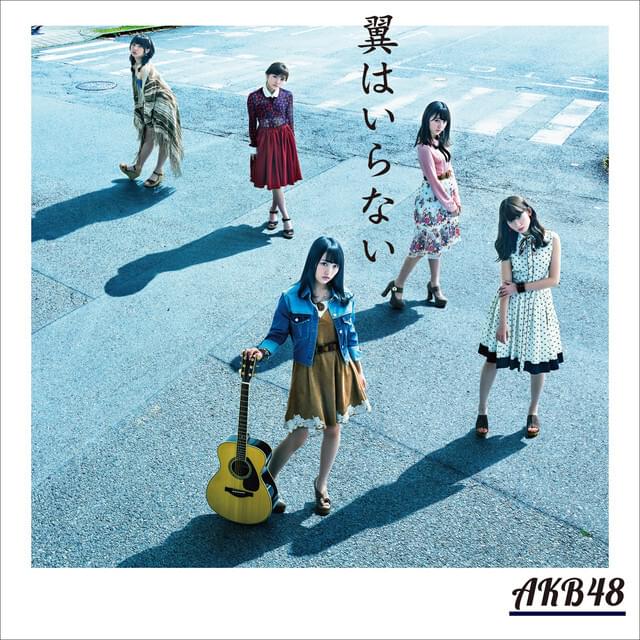
Ultimately, these lyrics are effective because they champion a profound sense of self-acceptance and the quiet dignity of the human condition. By repeatedly declaring "翼はいらない" (I don't need wings) and emphasizing that "しあわせは近づくよ" (happiness draws near) through one's own sweat and effort, the narrator conveys a powerful message: true contentment isn't found in escaping the path, but in embracing it, "夢見て歩こう" (dreaming as I walk) with what one already possesses.
 View Artist