Song Meaning
The lyrics paint a picture of a city night where the narrator encourages shedding negativity and embracing a fresh start. The opening lines urge the listener to take a deep breath and forget unpleasant things, setting a tone of catharsis. This is amplified by the idea that even in a dark city, dawn will eventually break, suggesting hope is always on the horizon. The core message revolves around transformation, proposing that after midnight, everyone has the chance to be reborn. It's a call to let go of the day's troubles and get lost in the music, finding solace on the dance floor. The repeated phrase "ジャーバージャ" (JABAJA) acts as an incantation, a sound to get lost in, embodying the feeling of being "in the groove."
The central tension lies in the cyclical nature of life, where good and bad experiences are presented as an endless loop. The narrator acknowledges that even positive moments like falling in love don't necessarily erase underlying anxieties, as indicated by the phrase "胸のモヤモヤは晴れやしないよ" (the haze in my chest won't clear). This realism grounds the song's escapism; it's not about denying problems but about finding a temporary release. The lyrics suggest that both luck and unluck arrive in turn, and the key is to switch emotions, to "感情を切り替えろ!" (switch your emotions!).
The most striking craft element is the juxtaposition of raw, almost aggressive impulses with a desire for release. The line "ムカついたら 殴ればいい" (If you're pissed off, just punch it) is immediately countered by the realization that "それも無駄だと マジ思い直した" (I seriously reconsidered, thinking that's also useless). This internal shift highlights a maturation, moving from reactive anger to a more considered approach. The bridge further solidifies this by suggesting a farewell to the past self on a crowded dance floor, a symbolic shedding of old skin in the anonymity of the night.
Ultimately, the effectiveness of these lyrics stems from their blend of relatable struggles and an empowering, albeit temporary, solution. The invitation to dance and forget, especially after midnight, taps into a universal desire for renewal. By framing the night as a space for transformation and urging listeners to embrace the rhythm, the song offers a potent, immediate escape. The repeated "ジャーバージャ" becomes a mantra for letting go, making the act of dancing feel like a genuine act of reinvention, even if just for "All night long."
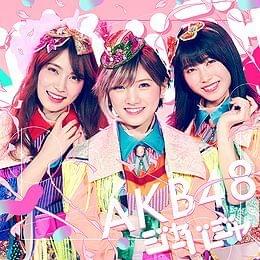
 View Artist