Song Meaning
The lyrics paint a picture of returning to a hometown after a long absence, finding it both familiar and changed. The opening lines, "思い出マイフレンド / 今でもマイフレンド" (My memory, my friend / Still my friend), immediately establish a tone of nostalgic affection for a place and perhaps people left behind. The imagery of the "白い風力発電の / 羽がゆっくり 回っているよ" (white wind turbine blades are slowly turning) and the wind blowing from somewhere suggests a sense of enduring natural cycles contrasted with the narrator's own journey. The initial desire to escape the "退屈で嫌だった" (boring and I hated it) unchanging days led to a departure, packing dreams into a trunk and boarding a long-distance bus.
The central tension arises from the narrator's search for a "新しい自分" (new self) that led them "遠くまで行った" (went far away), only to find that "青い空が続いてただけだ" (only the blue sky continued). This anticlimactic realization, the feeling of being "取り残されるんだ" (left behind) by time and progress, fuels the emotional core. The contrast between the idealized future depicted on "国道沿いの看板" (roadside billboards) and the narrator's own sense of stagnation is palpable. The return isn't a triumphant arrival but a quiet re-evaluation.
The craft here shines in the subtle shifts in perspective and the use of recurring phrases. The repeated question, "How are you doing?" bridges the past and present, highlighting the gap between then and now. The narrator's own response, "I'm fine, and you? ボチボチだよ" (I'm fine, and you? So-so), reveals a weariness with city life and a longing for the simplicity of home, a stark contrast to the initial escape. Even when offered support, the narrator chooses to walk "自分の足で歩いて行くよ" (walk on my own two feet), signifying a hard-won independence, even if the grand dreams haven't materialized as expected.
Ultimately, the effectiveness lies in its honest portrayal of the bittersweet nature of returning home. It's not about grand achievements but about the quiet understanding that the past remains a part of you, even as you forge ahead. The lyrics capture that specific ache of realizing the search for something new might just lead you back to where you started, but with a different perspective. The final "ただいまマイフレンド" (I'm home, my friend) feels less like a victory lap and more like a gentle acknowledgment of this enduring connection.
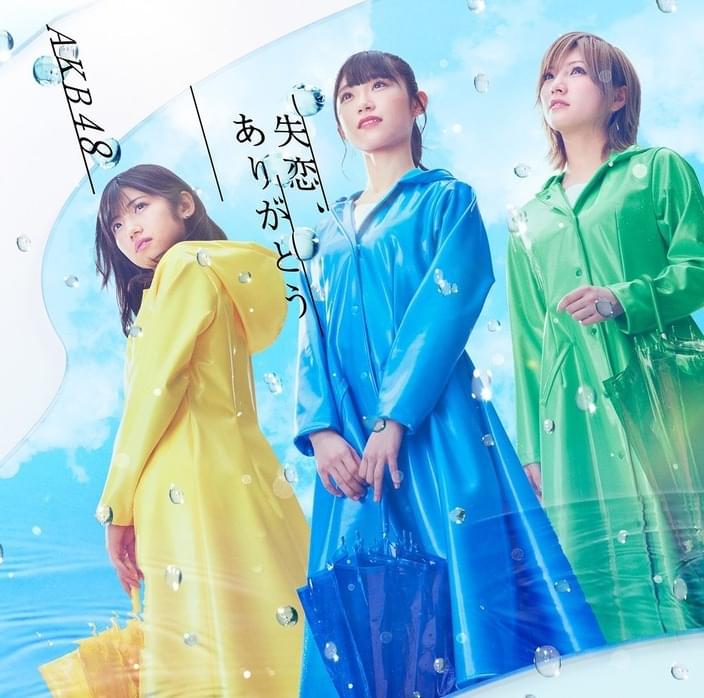
 View Artist