Song Meaning
The lyrics immediately plunge into a disorienting series of questions, grappling with a sense of pervasive dread and an inescapable internal conflict. The speaker seems trapped in a state of "deathlessness," where even basic functions like breathing feel impossible. This opening sets a tone of existential crisis and profound unease.
A core tension arises from the speaker's perception of the world as inherently hostile or corrupted, where "every pattern looks like a swastika." This isn't just external observation; it's internalized, as the speaker asks, "How can I learn when I make my body into violence?" This suggests a self-destructive cycle, where internal aggression prevents growth or peace, feeding into a bleak outlook where "all we eat is desperate."
The lyrics masterfully employ rhetorical questions and stark paradoxes to convey this trapped state. Phrases like "mercy exists in deathlessness?" and "breathe in our breathlessness?" highlight an impossible existence, where the very concepts of relief or life are twisted. The desperate plea, "Can you erase it with a magnet?", underscores a yearning for a simple solution to complex, deeply ingrained problems, a stark contrast to the surreal violence of a "chainsaw fight" witnessed at a "waterpark."
The emotional impact culminates in the repeated lament about "never knowing the beauty of forgiveness." This absence isn't just a personal failing; it's presented as a fundamental barrier to living, suggesting that true life requires this elusive grace. The contrast of the "sun is up, it's still getting dark" powerfully encapsulates the internal darkness that overshadows any external hope, making the lack of forgiveness feel like an eternal twilight.
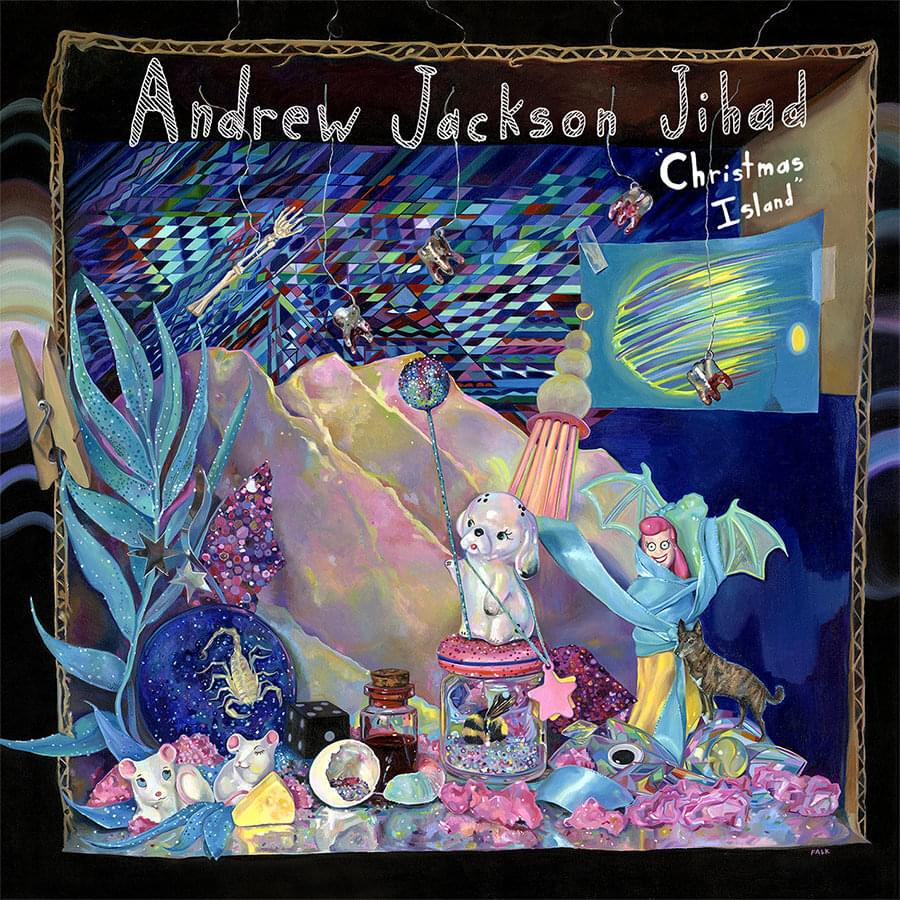
 View Artist