Song Meaning
The lyrics paint a poignant picture of a love game turned sour, using the metaphor of "saklambaç" (hide-and-seek) to illustrate a relationship's breakdown. Initially, the narrator recalls a time of shared joy and togetherness, "We were together, you and I, playing hide-and-seek, we were happy hand in hand." This idyllic past sets a stark contrast to the present, where the game has become a source of pain and separation. The narrator feels left behind, observing their former partner playing the same game, but now with others and always out of reach. This shift transforms a childhood pastime into a symbol of abandonment and emotional distance.
The central tension arises from the narrator's plea for the game to end, a plea rooted in a deep weariness of being the one left waiting. The repeated phrase "I'm tired of being 'it'" (bıktım olmaktan ebe) powerfully conveys the exhaustion of unrequited effort and the pain of being the constant seeker while the other person remains hidden. The narrator admits their pride prevents them from begging, yet their current words are a clear, desperate appeal, highlighting the internal conflict between dignity and the desire for reconciliation. The realization that the partner has moved on, signaled by "You have another love now, I know, sobe," brings the game to an inevitable, painful conclusion.
The lyrics masterfully employ the hide-and-seek metaphor to represent the dynamics of the relationship. The act of hiding becomes synonymous with emotional unavailability and secrecy, while being "it" (ebe) signifies the burden of waiting and searching for a connection that is no longer reciprocated. The word "sobe," a signal that the hidden person has been found or the game is over, marks the painful moment of discovery and acceptance of the relationship's end. This simple, childlike game is thus elevated to represent the complex emotional landscape of betrayal and the quiet devastation of a love that has gone into hiding for good.
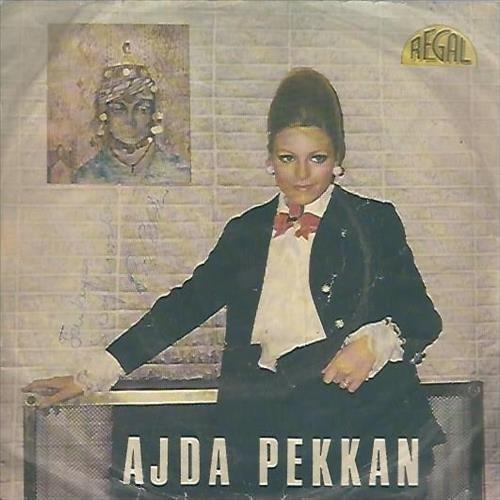
 View Artist