Song Meaning
The lyrics paint a vivid picture of a love so profound it transcends earthly concerns. The narrator declares, "Dert bende, derman sende," placing all their troubles and the cure for them squarely in the hands of their beloved. This establishes an immediate power dynamic, where the narrator's emotional state is entirely dependent on the other person, who holds the key to both joy and sorrow, "Öldüren, güldüren, her gün ağlatan kalp sende." Even as time passes and life itself fades, this love is presented as eternal, "yine ölümsüz aşk bende."
The central tension lies in the narrator's desperate plea against separation. They emphatically state, "İstemem ayrılık boynumu büksün," refusing to let their love be tarnished or their spirit broken. The imagery of wanting to avoid leaves falling in spring, "istemem baharda yaprak dökülsün," is a striking way to express a desire for perpetual renewal and a rejection of natural cycles of decay that might signify loss. This isn't just about avoiding a breakup; it's about preserving a perfect, unchanging state of love.
The craft here hinges on stark contrasts and declarations of absolute devotion. The narrator doesn't just love; they've loved only this person even in dreams, "Ben rüyamda bile yalnız seni sevdim." The comparison of love to a flame and longing to an ember, "Aşkın alevse hasretin bir kor," suggests an intense, consuming passion that persists even in absence. The idea that they feel as though they arrived in the world with this person, "Dünyaya seninle gelmiş gibiyim," elevates the connection beyond mere romance to something predestined and fundamental to their existence.
Ultimately, the lyrics resonate because they articulate an almost overwhelming, all-consuming devotion. The narrator's inability to even contemplate life without their beloved, "sensiz yaşamayı düşünmek çok zor," combined with the framing of this love as eternal and the sole source of their peace, creates a powerful emotional core. The writing doesn't just describe love; it presents it as a force of nature, a defining aspect of the narrator's very being, making the fear of its absence palpable.
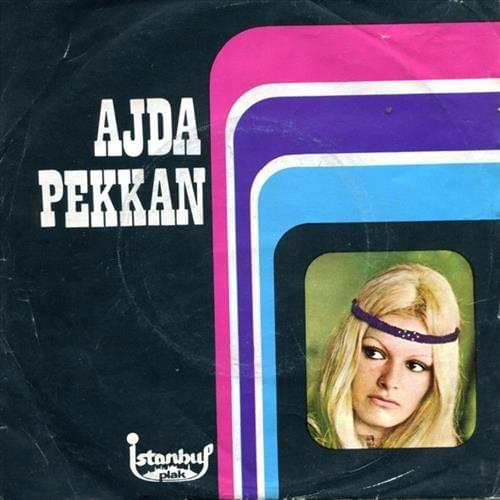
 View Artist