Song Meaning
The lyrics paint a picture of profound isolation and a desperate clinging to fleeting moments. The narrator emphasizes a sense of "only once" for significant life events like the sun rising, love arriving, and love departing, suggesting a deep scarcity and perhaps a fear of missing out or experiencing things fully. This feeling is amplified by the stark declaration that their "doors will remain shut" today, creating an immediate sense of withdrawal and emotional inaccessibility. The dominant tone is one of melancholic resignation, tinged with a quiet plea for understanding or perhaps just for time to pass without further emotional burden.
The central tension arises from the contrast between the narrator's internal state and the external world's natural cycles and perceived norms. While the sun rises and love comes and goes "only once," the narrator chooses to keep their doors shut, actively resisting engagement. The imagery of waves falling on the shore like memories and a lonely sun waking the wind suggests a passive, almost involuntary recollection of past events and a sense of being adrift. The repeated line about "the one who left will not return" directly anchors this sorrow in loss, creating a palpable weight of grief that the narrator seems unable or unwilling to process openly.
A striking element is the juxtaposition of adult sorrow with childlike imagery and counting. The repeated refrain of "cuckoo, cuckoo, little cuckoo" and the counting "one, two, three" initially seems like a simple, almost innocent observation of nature or a game. However, when placed alongside the weeping mother and daughter, the moon, and the finality of loss, these elements take on a more poignant, almost desperate quality. The narrator is counting moments, perhaps trying to make sense of time or to find a semblance of order in their emotional chaos, but the context suggests this counting is a coping mechanism rather than genuine childlike joy.
This lyrical construction is effective because it grounds abstract feelings of grief and isolation in concrete, relatable images and simple, almost nursery-rhyme-like structures. The repetition of "only once" hammers home the sense of finality and preciousness, while the weeping figures and the solitary journey create a powerful emotional tableau. The shift from the adult lament to the counting and the cuckoo's call creates a disorienting yet deeply resonant effect, suggesting a mind grappling with overwhelming sadness by retreating into simpler, more manageable thoughts and observations. The lyrics don't explicitly state the cause of the sorrow, but the pervasive sense of loss and the narrator's withdrawal make the emotional impact undeniable.
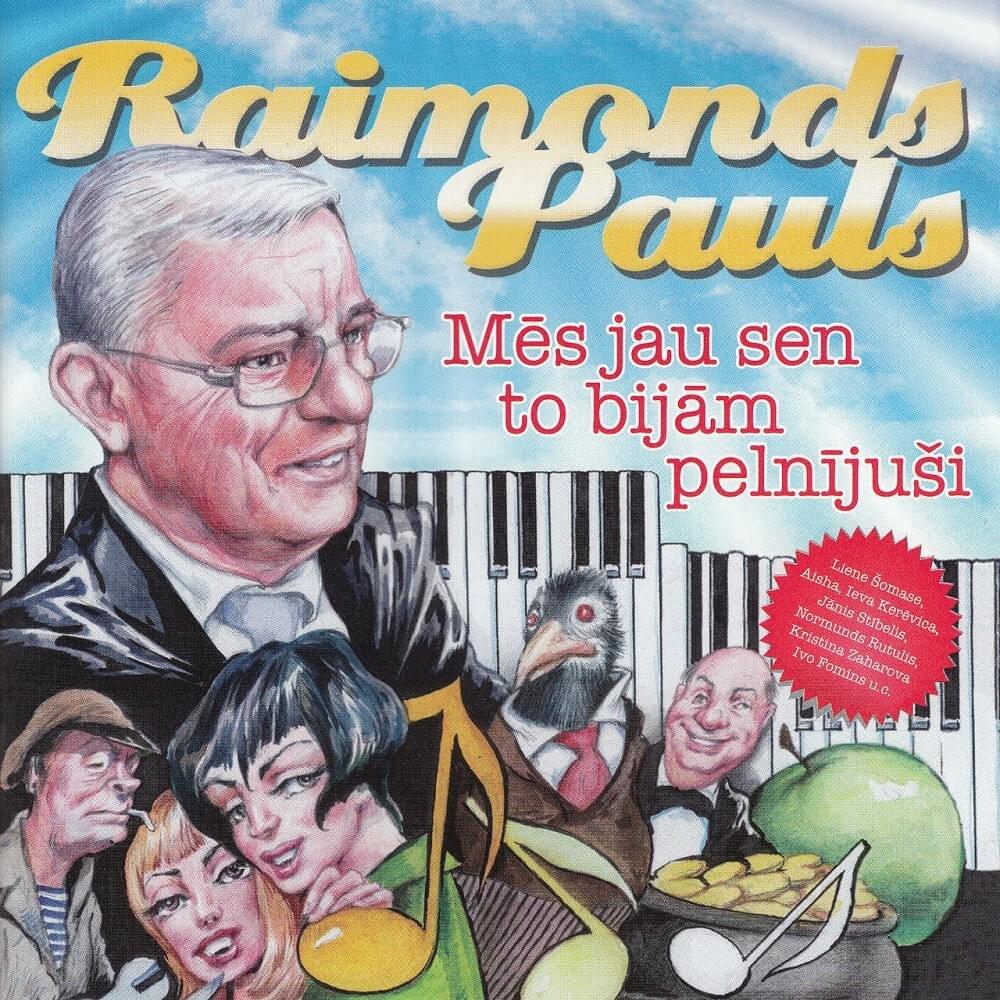
 View Artist