Song Meaning
The lyrics paint a picture of someone observing a mysterious, perhaps aloof, individual. The opening lines ponder the meaning behind a smile, likening the person to a "lost kitten" who "runs away," suggesting an elusive and independent nature. This elusiveness is met with a detached acceptance: "It doesn't matter, I won't be troubled, Everyday." The narrator seems to be trying to engage, offering a "casual greeting," but receives no reply, reinforcing the sense of distance.
The central tension arises from this dynamic of attempted connection and perceived indifference. The narrator urges the other person to "stop showing that sullen face" and "laugh as you please," implying a desire for a more open and joyful interaction. Yet, there's a hint of skepticism with the phrase "You're good with words," and a declaration of "No more war," suggesting a past conflict or a desire to de-escalate.
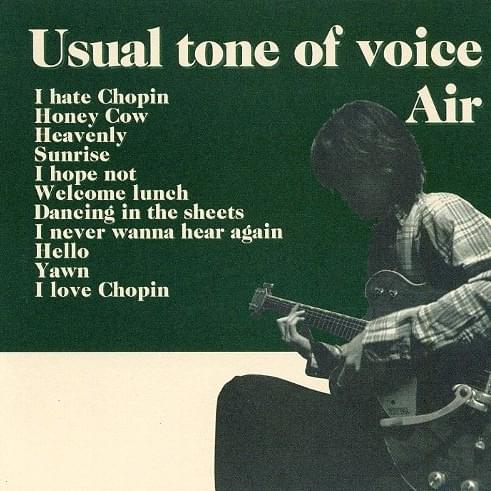
The recurring chorus, "Friday, let's dance / Tonight Tonight / Dancing in the sheets," acts as a stark contrast to the earlier uncertainty. It shifts the mood to one of immediate, uninhibited pleasure and intimacy. The repetition of "Dancing in the sheets" grounds the abstract desire for connection in a very physical, present moment. The unexpected appearance of "Nietzsche" returning "to the window" bathed in sunlight, and later waving goodbye, adds a surreal, almost philosophical layer, perhaps questioning the nature of existence or the pursuit of happiness.
What makes these lyrics resonate is the blend of observational detachment and a yearning for shared experience. The narrator navigates the ambiguity of the other person's emotions, oscillating between a passive acceptance and an active invitation to "dance." The juxtaposition of philosophical musings with the raw, immediate call to dance creates a unique emotional landscape, capturing a feeling of wanting to break through barriers and find joy in the present, even amidst uncertainty.
 View Artist