Song Meaning
The narrator finds himself unexpectedly confronted by a past love, a moment where planned words vanish, leaving only the raw present. The scene is set with a palpable sense of urgency, as the narrator admits, "You knew my life was beating fast." This immediate, almost breathless encounter suggests a history that still carries significant weight, despite the passage of time.
The core tension lies in the irreconcilable nature of their past and present. The narrator acknowledges, "We shouldn't stay this long together," revealing a desire to move on or perhaps a recognition that their connection is no longer viable in its current form. Yet, a deeper, more complex feeling emerges: the realization that "The only chance of a love forever / Went so many years ago." This isn't just about a missed opportunity; it's about the finality of a past that cannot be recaptured, creating a profound sense of regret.
The most striking aspect is the narrator's repeated refrain, "I've told you there's nothing I can do." This phrase, delivered with a sense of resignation, underscores the helplessness he feels in the face of this resurfaced connection. It's juxtaposed with the urgent, almost desperate, "I've got to get to you," which hints at an unresolved pull or a need for closure, even if he believes a future together is impossible. The repetition of "I'm just trying to find your name" further emphasizes this elusive search for something lost or perhaps a way to reconnect with a forgotten part of himself through her.
This lyrical construction effectively captures the bittersweet ache of encountering a significant past figure when the path forward is unclear. The contrast between the inability to act ("nothing I can do") and the undeniable urge to connect ("got to get to you") creates a powerful emotional resonance. It speaks to the lingering impact of past relationships and the complex, often contradictory, feelings that arise when confronted with what might have been.
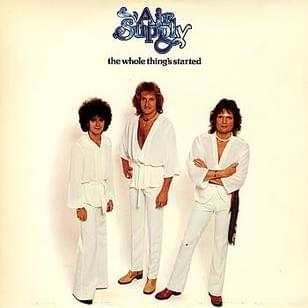
 View Artist