Song Meaning
The lyrics pose a direct question: "Dziesma, ar ko tu sāksies?" (Song, what will you start with?). This sets up a contemplative mood, suggesting the act of creation or expression requires a deliberate beginning. The immediate answer, "Sācies ar klusu vārdu" (Start with a quiet word), establishes a core tension between initial subtlety and a powerful underlying force. This quiet beginning is crucial, as the lyrics later reveal that "Tavējie sapratīs, ka dziesma ir kliedziens" (Your people will understand that the song is a scream).
This reveals a fascinating dynamic: the outward expression of a song, even when starting with hushed tones or simple imagery like "zemu zāli" (low grass) or "gaišu staru" (bright ray), is ultimately understood by its intended audience as a profound outcry. The instruction to "Iepin pa lētam jokam" (Weave in a cheap joke) further complicates this, suggesting that humor or lightness can be a vehicle for this deeper, more urgent message. The repetition of "Tavējie sapratīs" (Your people will understand) reinforces the idea of a shared understanding and a collective emotional resonance that transcends the surface-level content.
The lyrics then pivot to more personal and potentially painful themes: "rozā sapņiem" (pink dreams) and "bailēm" (fears). The repeated phrase "Ja jau tev pavēl dziedāt" (If you are ordered to sing) introduces a sense of obligation or external pressure, but this is immediately followed by the defiant instruction to sing even through fear. This juxtaposition highlights the power of expression, even when compelled or rooted in difficult emotions. The song suggests that true understanding comes not from the volume of the initial sound, but from the raw emotion embedded within it, which the 'people' are attuned to.
Ultimately, the piece advises a controlled release of emotion, culminating in the poignant lines: "Pasmejies, ja tu gribi / Paraudi ja tev vajag / Tikai pavisam klusu - / Tu jau zini, kas būs, ja tu kliegsi" (Laugh if you want / Cry if you need to / Just very quietly - / You already know what will happen if you scream). This ending is not about suppressing emotion, but about understanding its power and the potential consequences of its unrestrained expression. The craft lies in building from a whisper to the implication of a scream, suggesting that the most impactful messages are often those that are carefully contained, understood by those who share a common language or experience.
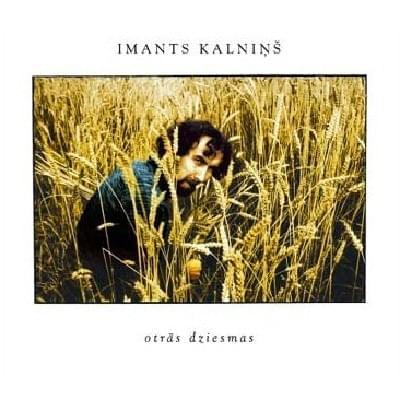
 View Artist