Song Meaning
The lyrics paint a picture of a profound internal shift, moving from a state of stagnation to one of renewed life and peace. The opening lines, "Mans kuģis atkal peld" (My ship is sailing again) and "Un upē ūdens tik silts" (And the water in the river is so warm), immediately establish a sense of forward momentum and comfort, a stark contrast to the feeling of being "sanesta smilts" (sand brought into a room) – a metaphor for being stuck and accumulating unwanted debris. This initial imagery suggests a release from a previous state of inertia.
The narrator's internal world is now aligned with a sense of natural rhythm and renewal. The clock ticking again towards "draudzīgiem saullēktiem" (friendly sunrises) and the birds singing even in winter and at midnight ("Pat ziemā un pusnaktī") indicate a persistent, almost defiant sense of hope and vitality. The idea that "sirdspukstus nenoskriet / Ar pārdomu aulēkšiem" (heartbeats cannot be outrun / By ruminating thoughts) highlights a newfound ability to simply exist and feel, rather than being consumed by anxious reflection.
The most striking aspect is the final plea: "Uzklāj mani uz ceļiem / Iekrāso plakstiņos" (Lay me on the roads / Paint on my eyelids). This isn't a desire for oblivion, but rather a wish to be fully present and integrated into the world, to have experiences imprinted directly onto their senses and being. The request to be "Paslēp dziļi pie sevis / Tā, lai vairs nebaidos" (Hide me deep within yourself / So that I am no longer afraid) suggests a desire for profound safety and acceptance, a place where vulnerability can exist without fear, likely found in a deep connection with another person or a sense of self-acceptance.
This transformation is powerfully conveyed through the juxtaposition of past confinement and present openness. The lyrics move from images of being trapped indoors with accumulated "smilts" to a desire to be spread out, seen, and colored by the world. The shift from "zaudētām ilūzijām" (lost illusions) to a world that "skan / Ar gaidītām melodijām" (sounds / With awaited melodies) signifies a profound healing and a welcoming of a more authentic, harmonious reality.
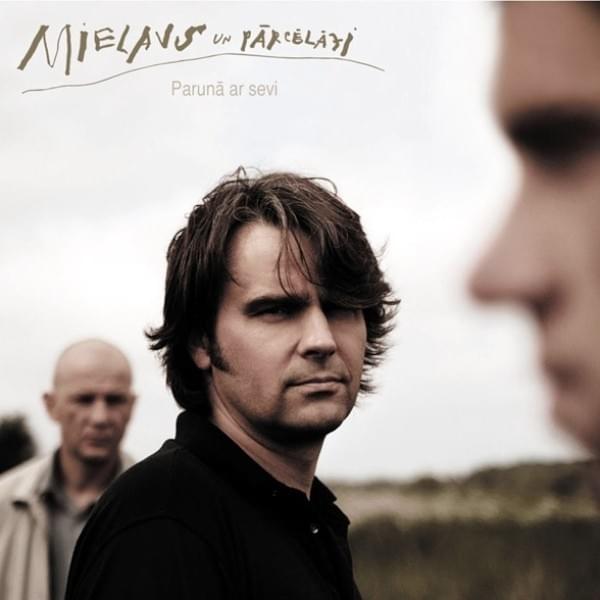
 View Artist