Song Meaning
The lyrics paint a picture of collective resilience, juxtaposing large numbers in specific locations with a deeply personal question of identity. We see "30 tūkstoši Siguldā" and "60 tūkstoši Liepājā," establishing a sense of scale and shared experience, even amidst implied hardship: "Grūstoties troksni klausījās." This collective holding on, "Latvieši kopā turējās," becomes a recurring refrain, anchoring the narrative in a shared struggle and solidarity.
The song then shifts to a more abstract, yet equally grounded, sense of community and individual doubt. Numbers appear again, "Vairāki duči Smoļnijā" and "Simts reiz vairāki – Perekopā," suggesting dispersed populations earning their "Solīto zemi." This geographical and numerical scattering contrasts with the internal questioning that follows: "Es uzprasos, jo gribu! / Gribu zināt - cik? / Cik latvietis es esmu? / Pavisam vai necik?" This isn't just about numbers; it's about the essence of belonging, the quantity of one's national identity.
The craft here hinges on this powerful contrast between external, quantifiable presence and internal, qualitative doubt. The repeated, almost chanted, question "Cik latvietis es esmu?" highlights a profound existential inquiry. It suggests that even within large, visible groups – whether in "Saeimā" or at a sporting event with "Divi goli vadībā" – the individual grapples with their own sense of self and connection to the collective.
Ultimately, the effectiveness lies in this tension. The lyrics capture a feeling of being part of something larger, of "Viens pie otra stutējās," while simultaneously voicing a universal human need to understand one's own place and significance. The simple, direct language of the chorus makes the personal quest for identity feel both urgent and deeply relatable, resonating beyond specific numbers or locations.
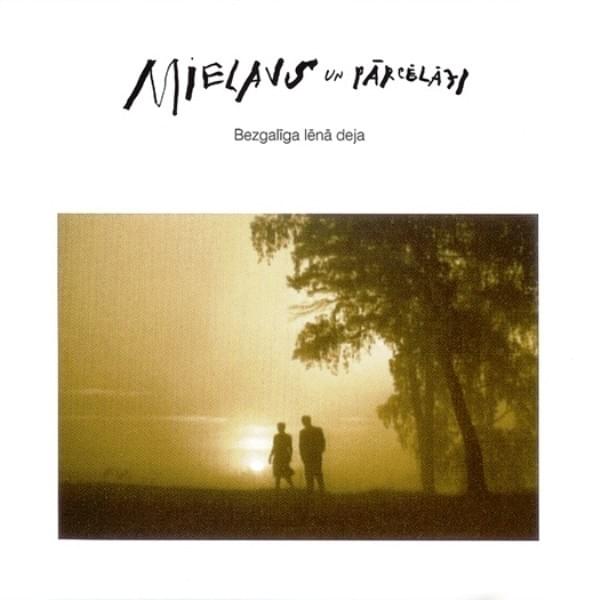
 View Artist