Song Meaning
The lyrics paint a stark picture of someone embracing societal rejection with a defiant "I don't care." The opening lines, "Es zinu, visi mani nievā / Es zinu, visi mani nīst," establish a clear sense of being disliked, but the immediate follow-up, "Lai mani nīst, lai mani nievā / Vienalga man, vienalga man!" flips this into a declaration of indifference. This isn't just resignation; it's an active assertion of emotional detachment from external judgment.
The imagery shifts to a somber, almost gothic scene where "melnas vārnas" (black crows) cry out "Nav vērts, nav vērts!" (It's not worth it). The narrator echoes this sentiment from the edge of a grave, aligning their internal state with this bleak pronouncement. This shared despair suggests a profound sense of futility that the narrator not only acknowledges but actively participates in, finding a strange solidarity in the darkness.
The most compelling aspect is the contrast between this outward nihilism and an inner yearning. While the narrator claims indifference and echoes pronouncements of worthlessness, their thoughts "tālu klīst" (wander far) "Pēc kaut kā cēla, nezināma" (for something noble, unknown). This internal longing for something higher, for "kaut kā cēla," reveals a hidden vulnerability beneath the hardened exterior, a quiet desire that belies the repeated "Vienalga man."
Ultimately, the effectiveness lies in this carefully constructed duality. The lyrics create a powerful emotional tension between the performance of indifference and the subtle, persistent whisper of a deeper, unfulfilled desire. The narrator's ability to "raudāt, varu atkal smieties" (can cry, can laugh again) while still maintaining the "Vienalga man" facade suggests a complex emotional resilience, or perhaps a profound exhaustion with the very act of caring.
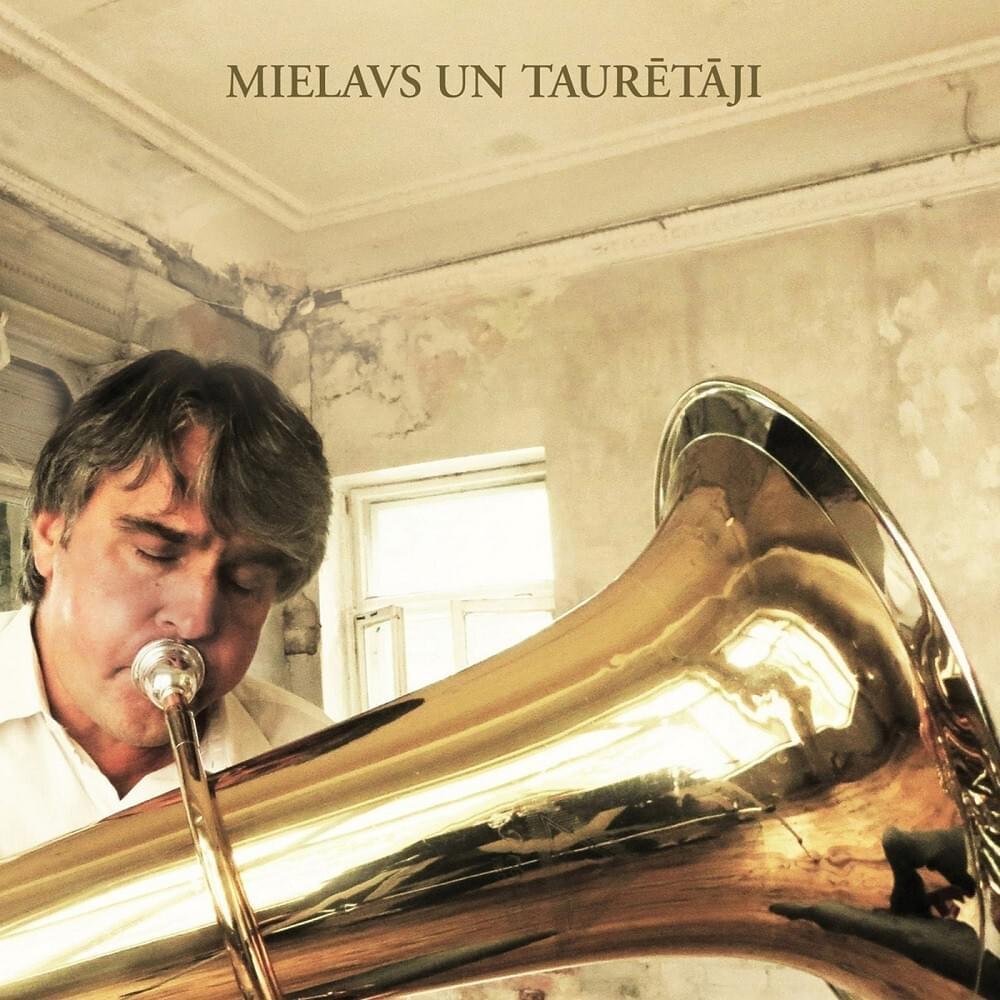
 View Artist