Song Meaning
The lyrics paint a stark picture of an autumn night, where the wind strips the maple trees bare, a scene that seems to invite the spectral presence of Charles Baudelaire. This imagined visitation isn't one of comfort, but rather a philosophical encounter, marked by the narrator hearing footsteps in the darkness and a wry observation about the prevalence of the 'dead' among the living. It sets a tone of melancholic introspection, where the external decay mirrors an internal or societal spiritual emptiness.
The central tension arises from the anticipation of this 'possessed' figure, who will shatter the mundane. The narrator welcomes this disruption, even if it's a 'hundred times cursed' moment, because it breaks through the suffocating normalcy. This figure, seemingly an embodiment of intense, perhaps destructive, passion or artistic fervor, arrives to 'announce himself,' shaking the very air of everyday life. It's a desire for a jolt, a radical break from the ordinary.
The most striking craft element is the juxtaposition of the sacred and the profane, particularly in the line "Lai svētīts brīdis (simtreiz nolādētais)" – a blessed moment that is also damned. This paradox captures the complex, often painful, nature of true inspiration or revelation. The arrival of this 'possessed' individual is framed as a battle, one that might be lost externally but results in an internal victory, creating a new 'echo' or 'atbalss.' This concept of a resonant, enduring impact born from defeat is powerful.
Ultimately, the effectiveness of these lyrics lies in their unflinching gaze at the bleakness of existence and the desperate need for something to break through it. The imagery of the stripped trees and the spectral Baudelaire creates a potent atmosphere, while the idea of a 'cursed' but 'blessed' disruption speaks to the difficult, often agonizing, process of confronting profound truths. The final address to the 'crowd of judges' suggests a defiance, a claim that this hard-won echo of self-preservation will resonate beyond their condemnation.
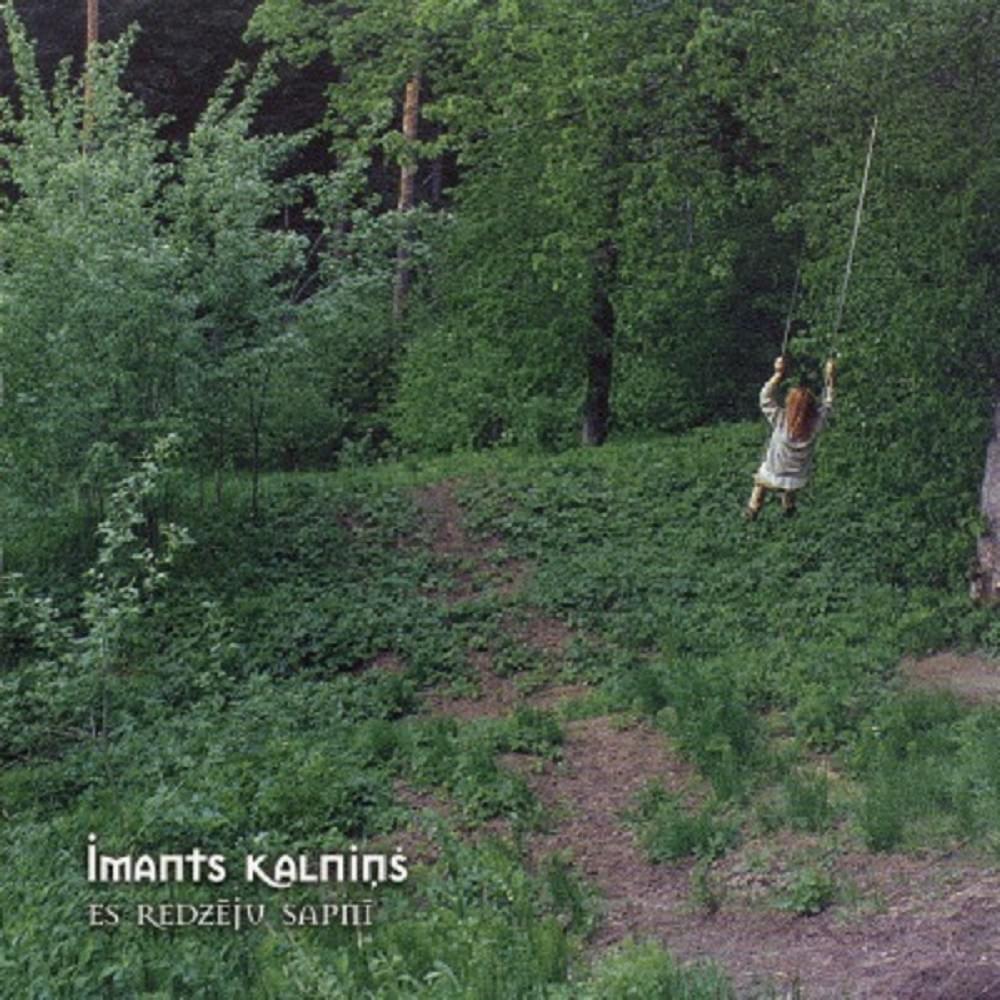
 View Artist