Song Meaning
The lyrics paint a picture of a future that feels both inevitable and unpredictable, carried by a train with too many stops. This train isn't just a mode of transport; it's a vessel for words that are both sacred and brazen, capable of appearing pale and tear-stained but transforming into explosive dynamite when dry. This duality suggests a profound internal conflict, where cherished ideals can become volatile under pressure.
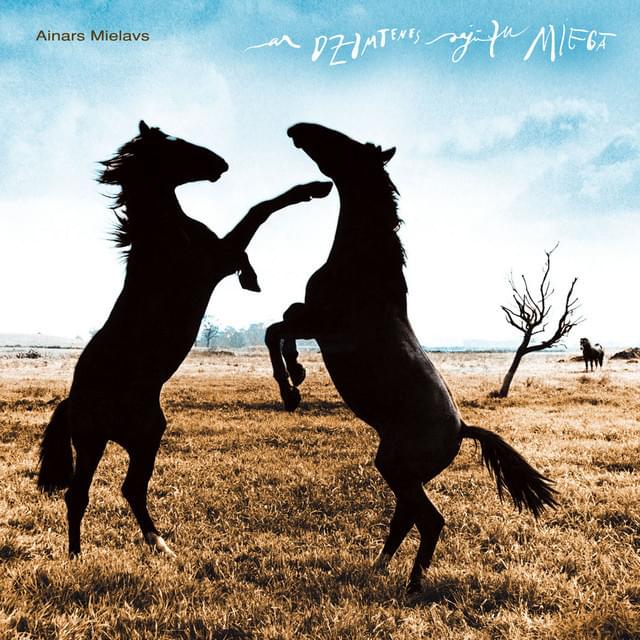
The core tension resides in the recurring phrase "Ar dzimtenes sajūtu miegā un pudeli nomodā" (With a homeland feeling in sleep and a bottle awake). This juxtaposition highlights a deep disconnect: a longing for belonging and comfort experienced only in dreams, while the waking hours are dominated by the harsh reality symbolized by the bottle. Even the most beautiful songs, the lyrics suggest, will sound like sirens' calls – a warning or a lament – in this state of disarray.
The imagery shifts to a boat with a leaky bottom, symbolizing a precarious journey. The future, represented by this fragile vessel, might reach its destination only if it survives until dawn. The passengers are described as desperate reflections, finding solace only in the company of the narrator's own life's disasters. This emphasizes a sense of isolation and shared misfortune, where connection is found not in hope, but in mutual ruin.
Ultimately, the effectiveness of these lyrics lies in their stark, almost brutal honesty about internal struggle. The train and boat metaphors, while common, are imbued with a specific, melancholic weight. The contrast between the dream of homeland and the waking reality of the bottle, coupled with the image of desperate reflections, creates a powerful emotional resonance that speaks to a profound sense of displacement and the corrosive nature of unresolved pain.
 View Artist