Song Meaning
This song paints a vivid picture of profound loneliness and a desperate yearning for connection amidst darkness. The narrator opens with simple, vulnerable requests: comfort when hurt, courage when fallen, a hand to hold when sleepless, and a whispered reassurance of dawn, even if it's a lie. These are not grand demands, but fundamental needs for support in moments of deep distress, highlighting a state of helplessness.
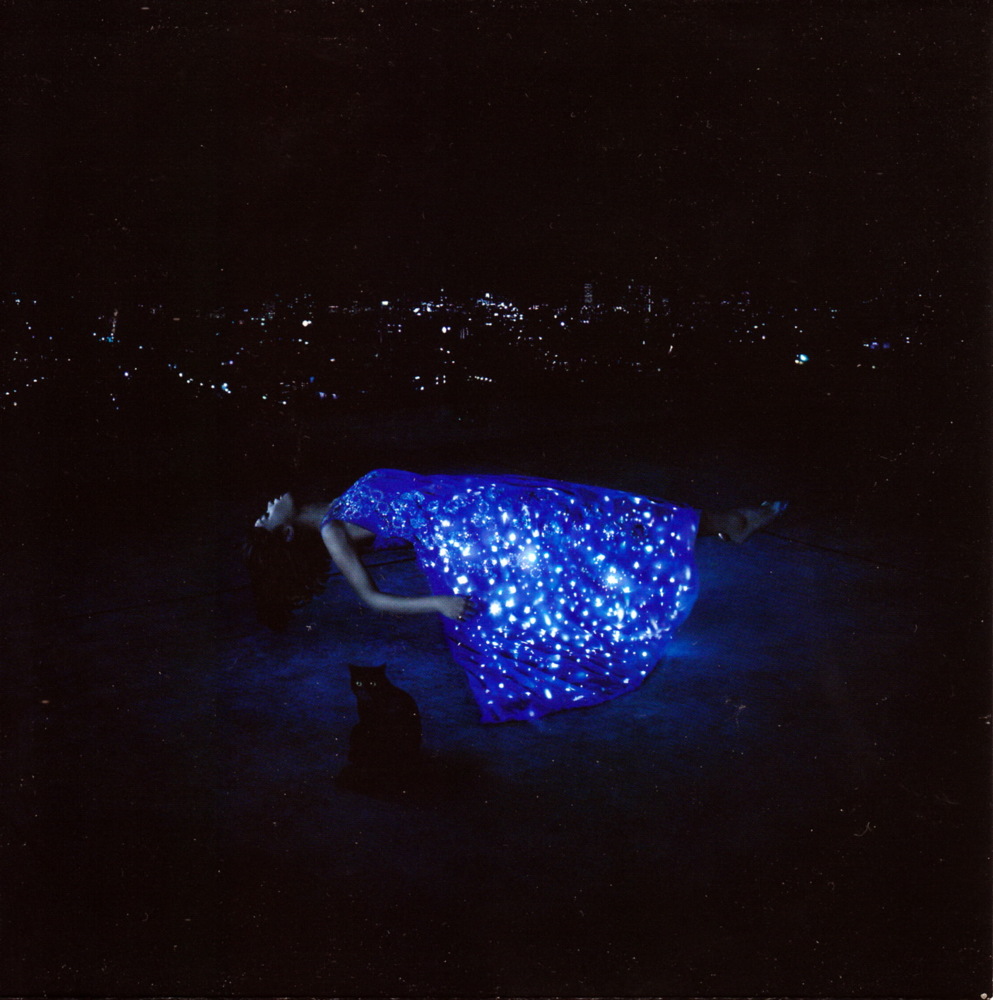
The core tension lies in the contrast between the narrator's internal state and the external world. They feel lost, unable to recall their location or remember who they are, adrift in a "cold city" alone. This isolation is amplified by the recurring plea for a "light that shines in a starless sky," a powerful metaphor for seeking hope or guidance when none seems apparent. The "endless night" signifies this pervasive despair, a state where even memories of what was lost or discarded are seen as potential sources of future illumination.
The lyrics masterfully employ the imagery of stars and light to explore themes of memory and transformation. The narrator finds solace in having met someone amidst "stardust," yet laments that it wasn't "as it used to be." Even the tears shed over the "unreturning past" are reframed as something that can be reborn to "surely light up tomorrow." This cyclical idea of past pain becoming future strength is a central, poignant theme, suggesting that even broken pieces can contribute to a brighter future.
The effectiveness of these lyrics stems from their raw, almost childlike vulnerability coupled with sophisticated metaphorical language. The repeated pleas for simple comfort ground the abstract concept of despair in relatable human needs. The transformation of discarded things and past sorrows into sources of light offers a profound, albeit melancholic, sense of hope. The final "thank you" for being noticed, even as a "tiny constellation," underscores the immense value of recognition and connection in overcoming the "endless night."
 View Artist