Song Meaning
PM12:00, the narrator and "you" are leaving the city, a whispered plan to go "somewhere." The scene is set with a sense of urgency and uncertainty, underscored by the unreliable voice suggesting the escape. The initial dialogue, "Where are we going? Let's go somewhere," "Where is good? Somewhere," establishes a feeling of aimlessness masked by a shared desire for departure.
This escape is fraught with a profound inability to see clearly, symbolized by "broken binoculars" where "tomorrow and today are cloudy." The narrator asks, "Did you see anything?" and the response is a bleak "I can't see anything." This visual obstruction mirrors an internal blindness, a lack of direction or hope for the future, making the act of leaving feel less like a hopeful journey and more like a desperate flight from an obscured present.
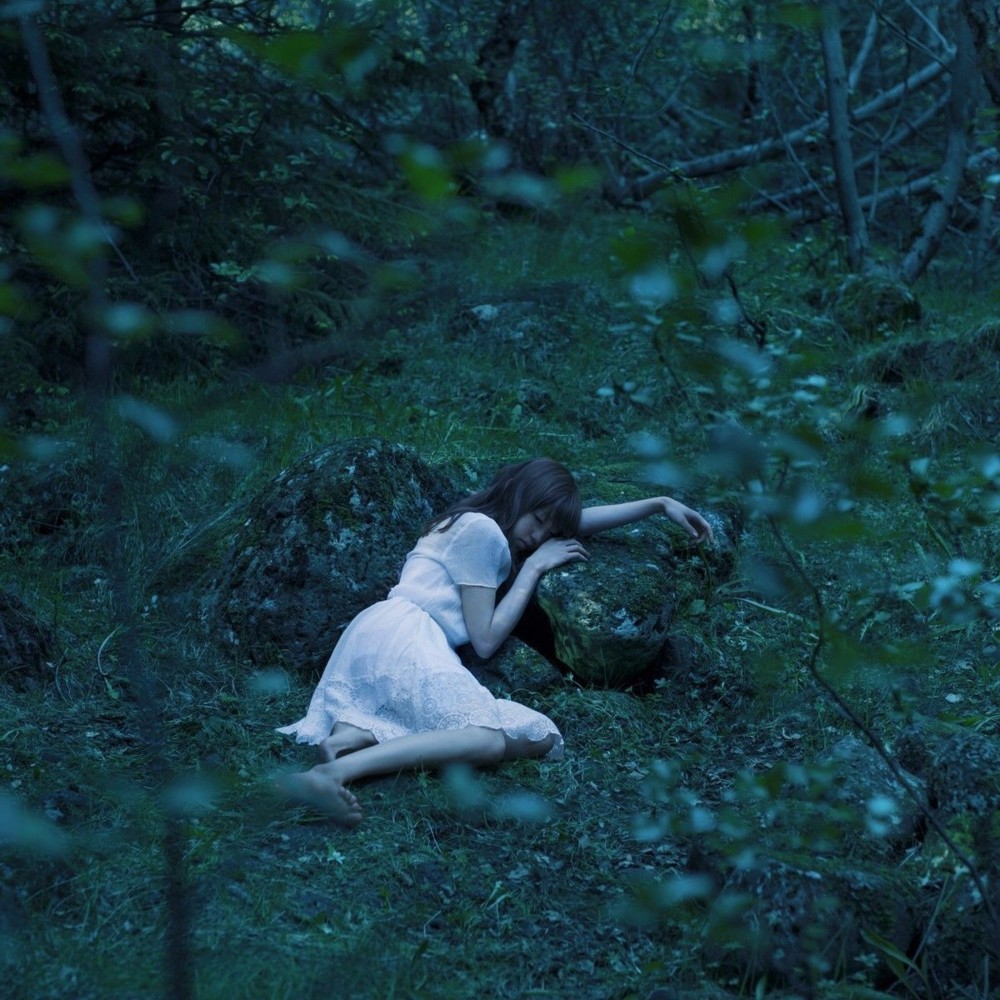
The core tension lies in the narrator's commitment to this flight versus the temptation to return. The first chorus has the narrator vowing not to look back, even if they feel anxious, and accepting being left behind in the "sleeping forest" if they admit weakness. However, the second chorus shifts this, with the narrator now running "as if chased by the noise," refusing to let go of "your" hand, and paradoxically, wishing to be left behind if "you" falter. This subtle but significant change reveals a growing desperation and a complex, perhaps codependent, resolve.
The lyrics masterfully employ the motif of the "sleeping forest" as a place of both potential oblivion and eternal stagnation. The repeated phrase "leave me behind" in the post-chorus amplifies the narrator's internal conflict and their willingness to embrace an unknown fate over a known, painful present. The final chorus escalates this, with the narrator running "as if afraid of the light," on a "path of thorns," and declaring they will "make you sleep forever" in the forest if "you" express weakness. This chilling turn suggests the narrator is willing to sacrifice the other person, or their shared past, to ensure the escape is final, transforming the forest from a place of abandonment into one of permanent cessation.
 View Artist