Song Meaning
The lyrics paint a picture of a person caught in a cycle of seasons, marked by a persistent, melancholic grayness that seems to linger from a past February. This initial scene, with its "gray cloudy sky" and "whiteness that won't melt," establishes a tone of stasis and longing. The narrator reflects on time passing, feeling like they've "lost a season" through a "spell that won't unravel," suggesting a deep emotional disconnect or a period of hibernation.
The central tension lies in the narrator's passive waiting for a future spring, a season that represents hope and renewal. They clutch "buds wet with tears," enduring "freezing nights" and "whispers dyed blue," all while dreaming of a "golden sky." This imagery highlights a profound internal struggle, where the present is characterized by coldness and sorrow, and the only solace is the anticipation of a warmer, brighter future that feels perpetually out of reach.
The recurring motif of the "clock's hands" striking the heart and the "path that passing time traces" emphasizes the relentless march of time, yet it also brings the same scenery back repeatedly. This cyclical structure, particularly the idea of delivering "the same flower" after stumbling many times, suggests a journey that, while fraught with difficulty, is ultimately aimed at a singular, recurring goal. The "spiral" mentioned at the end further reinforces this sense of being caught in a loop, moving forward but perhaps not progressing in a linear way.
Ultimately, the effectiveness of these lyrics stems from their evocative, sensory details that capture a specific emotional state of enduring hardship while holding onto a fragile hope. The contrast between the cold, gray present and the imagined warmth of spring creates a powerful emotional resonance. The lyrics don't offer easy answers but rather immerse the listener in the feeling of waiting, making the anticipation of renewal palpable and deeply felt.
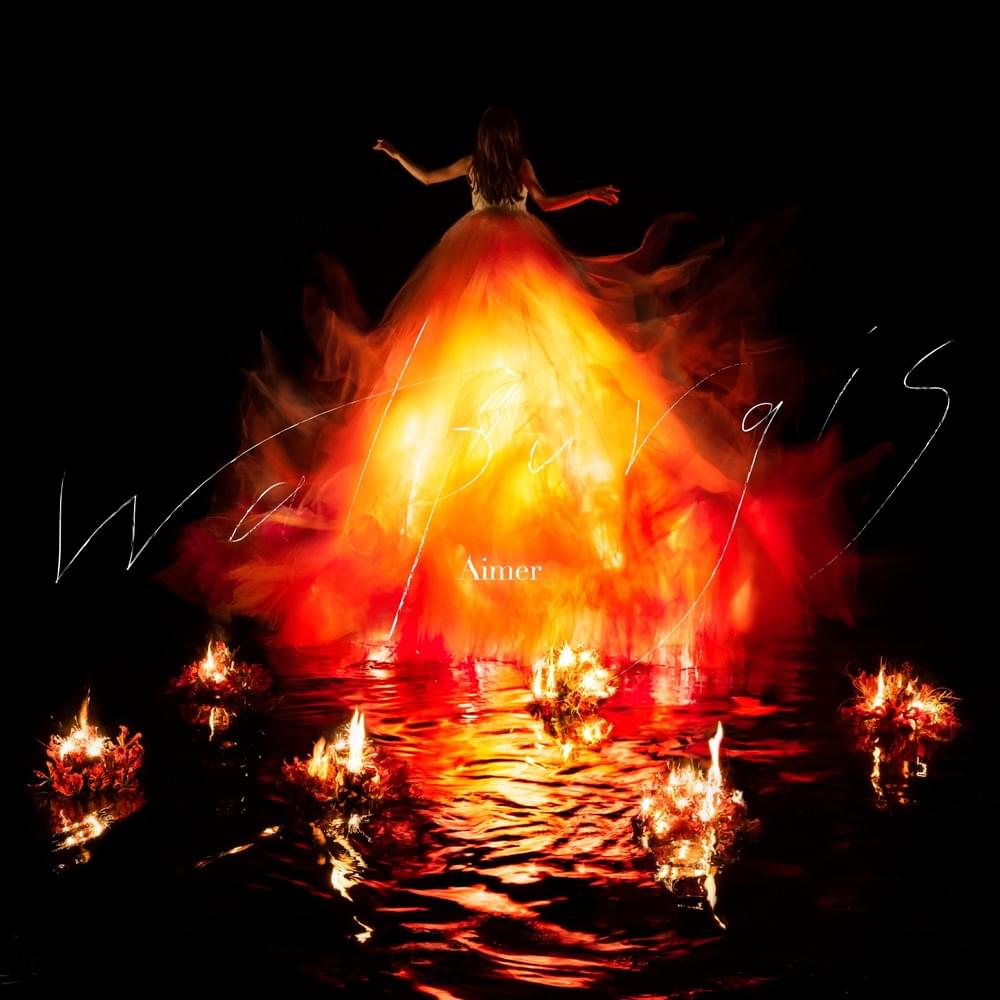
 View Artist