Song Meaning
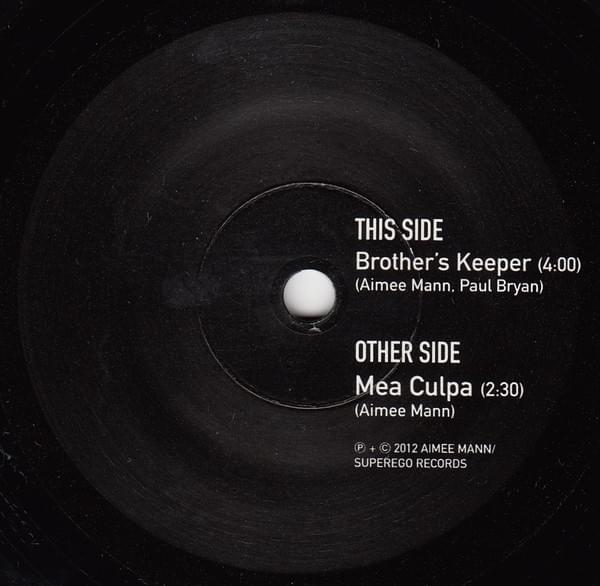
Aimee Mann's "Mea Culpa" isn't just a song; it's an excavation of guilt, absolution, and the lingering sting of betrayal. The opening lines, saturated with religious imagery ("Downtown, Trinity Church / What's one penitent more?"), immediately establish a landscape of confession and seeking forgiveness. But Mann, ever the astute observer of human fallibility, suggests that true atonement might be perpetually out of reach. The "she" in the lyrics seems to represent a wronged party, perhaps a lover or a close friend, and the "he" a transgressor seeking to alleviate his conscience. The repeated lines, "And it's true, you could tell her everything / She never wanted to know," hint at the futility of seeking solace through confession when the wound is too deep, the damage irreparable. The wronged party's indifference becomes a form of punishment, a silent but devastating rejection of the offender's attempts at redemption.
The song's nautical metaphors—"Liberty Bell…affixed to the prow," "Neptune's watery hell"—deepen the sense of being adrift, lost in a sea of consequences. The "Liberty Bell" isn't ringing out with freedom but is instead weighed down by a personal hell. Mann's lyrical craftsmanship shines in the stark imagery: "Two birds baked in a pie / What a grim metaphor." This offering, unwanted and unsettling, speaks volumes about the distorted attempts at reconciliation, the kind that only amplify the initial offense. It's a gesture of appeasement gone horribly wrong, a grotesque symbol of a broken bond.
The core of "Mea Culpa" resides in the struggle between confession and genuine atonement. The lyrics suggest that simply confessing sins and cleaning up the mess is insufficient, a superficial act of contrition. The lines "Bless me, Father, then I suspect / She'll never leave you alone" point to the inescapable nature of guilt and the enduring presence of the one who was wronged. The "massacre" that the wronged party is allowed to have is not a physical one, but an emotional one, carving trails of pain and memory that linger long after the initial wound. In essence, Aimee Mann's song is a haunting exploration of the complexities of forgiveness and the enduring weight of our actions.
 View Artist