Song Meaning
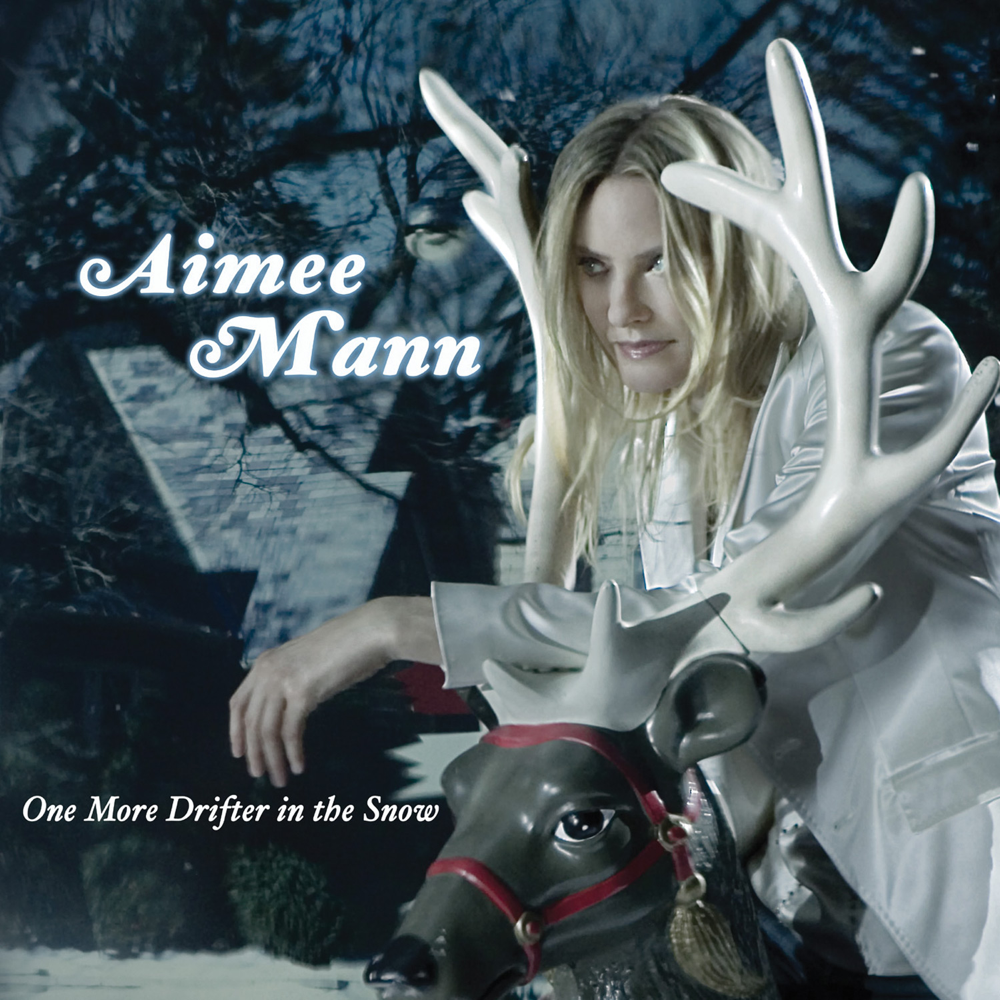
Aimee Mann tackling "Have Yourself a Merry Little Christmas" is less a straightforward cover and more a psychological excavation of holiday hope. The song, penned during World War II, has always carried a bittersweet undertow, a fragile optimism masking profound uncertainty. Mann, with her signature blend of melodicism and melancholic insight, amplifies this inherent tension, turning a seasonal standard into a stark meditation on resilience. The opening lines, "Have yourself a merry little Christmas / Let your heart be light," aren't delivered as a joyous decree, but as a tentative wish, a carefully constructed incantation against despair. It's a plea for emotional buoyancy in the face of overwhelming odds.
The lyric, "From now on / Our troubles will be out of sight," speaks volumes about the human capacity for denial, or perhaps, more charitably, for strategic optimism. It's not that the troubles disappear, but rather that we choose, for a brief moment, to bracket them off, to create a pocket of peace amidst chaos. Mann's interpretation understands this delicate balance perfectly. She doesn't shy away from the underlying sadness, but instead, uses it as a counterpoint to the yearning for connection and joy. The phrase "Make the Yuletide gay" isn't just about festive cheer; it's about actively creating moments of light and levity in a world that often feels relentlessly bleak.
The final verse, with its invocation of "faithful friends who are dear to us," underscores the importance of community in navigating difficult times. The line "Through the years / We all will be together / If the Fates allow" introduces a note of fatalism, acknowledging the precariousness of human connection. It is a reminder that togetherness is not guaranteed, but rather something to be cherished and actively cultivated. Hanging "a shining star upon the highest bough" becomes an act of defiant hope, a small but significant gesture of resistance against the darkness. Aimee Mann’s take on “Have Yourself a Merry Little Christmas” ultimately reveals the song's meaning as less a celebration and more of a psychological survival strategy.
 View Artist