Song Meaning
Aimee Mann's "Burn It Out" isn't a casual invitation to arson; it's a stark, psychologically astute exploration of obliteration. The song circles around the central question of whether one can truly erase painful memories and aspects of the self. Mann, a master of melancholic introspection, uses the metaphor of fire not for rebirth, but for absolute annihilation. The repeated query, "Can you just burn it out?" becomes both a desperate plea and a skeptical challenge. It's aimed not just at some external force, but at the listener's (and perhaps Mann's own) psyche. Can we excise those "shadows and memories that won't stay put?" Can we truly redact them "with ash and soot?" The lyrics suggest the act is far from simple.
Mann's brilliance lies in layering the personal with broader, more unsettling images. The "ghostly intruders who storm the moat" and "black-booted looters" evoke a sense of violation and siege. These aren't just abstract pains; they are invasive forces that threaten to overwhelm the self. The question of whether one can burn out "all of the shame that was yours to bear" cuts deep, suggesting a burden so heavy it threatens to consume. The chorus intensifies the stakes, imagining a world where "you'll never see a trace of yourself." The fear isn't just about forgetting the past, but about losing one's very identity in the process of trying to escape it. The bridge offers a glimmer of something akin to hope – "spirits and specters…find their redemption in charcoal dreams" – but it's a fragile solace, easily extinguished by the overwhelming desire for total erasure.
The song's core meaning resides in its uncomfortable confrontation with the limits of self-destruction as a coping mechanism. "Burn It Out" avoids easy answers, instead dwelling in the gray area between wanting to escape the past and the potential cost of that escape. The final lines, "Can you just burn it out / Of your soul," represent the ultimate, terrifying question. Is complete self-immolation even possible, and if so, is it worth the price? Mann's lyrics suggest a deep understanding of the human tendency to seek radical solutions for internal struggles, while simultaneously cautioning against the potential for irreversible damage. The song's power comes from its refusal to provide an easy answer to this difficult question.
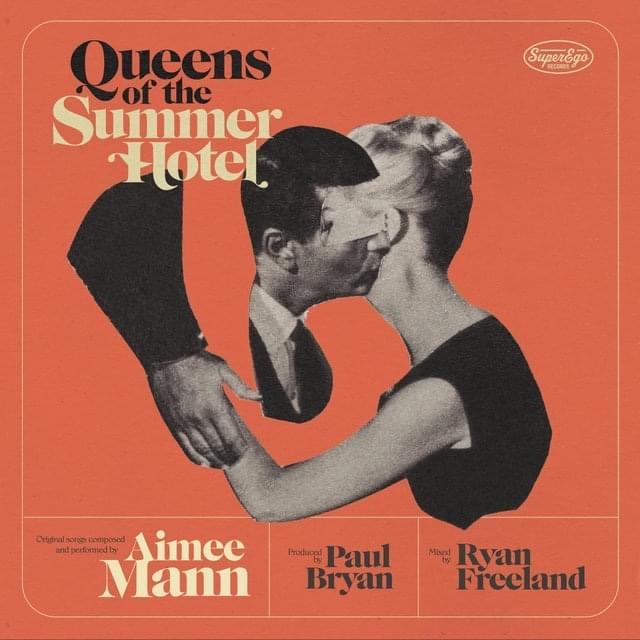
 View Artist