Song Meaning
The lyrics paint a picture of a specific moment at the Frick Museum, marking the end of junior year. The narrator recalls seeing a Vermeer painting of a girl with a "startled glance," which felt like a premonition. This quiet, almost tomb-like experience in the museum is juxtaposed with a sudden, dream-like recognition of a past event, a feeling of déjà vu where a conversation unfolds as if scripted.
The central tension lies in the uncanny resonance between the art and the narrator's personal experience. The "startled glance" in the Vermeer seems to mirror a feeling or a realization the narrator is having, a premonition that later manifests as a scripted exchange with another person. This connection between the observed art and the lived moment creates a sense of foreboding or significant, almost fated, recognition.
The most striking craft element is the repetition of "At the Frick Museum," grounding the narrative in a specific, almost mundane location that becomes charged with emotional significance. The phrase "Now it's gone" acts as a refrain, highlighting the ephemeral nature of the feeling or the moment itself, slipping away like a forgotten dream or a warning unheeded. The lyrics suggest a moment where art and life collide, blurring the lines between observation and personal history.
This lyrical construction is effective because it captures a specific, unsettling feeling of recognition and loss. The quiet museum setting amplifies the internal experience, making the sudden jolt of déjà vu and the connection to the Vermeer painting feel profound. It’s the way the lyrics translate an abstract, internal feeling into a concrete, shared experience, leaving the listener with the lingering sense of a moment that was both significant and fleeting.
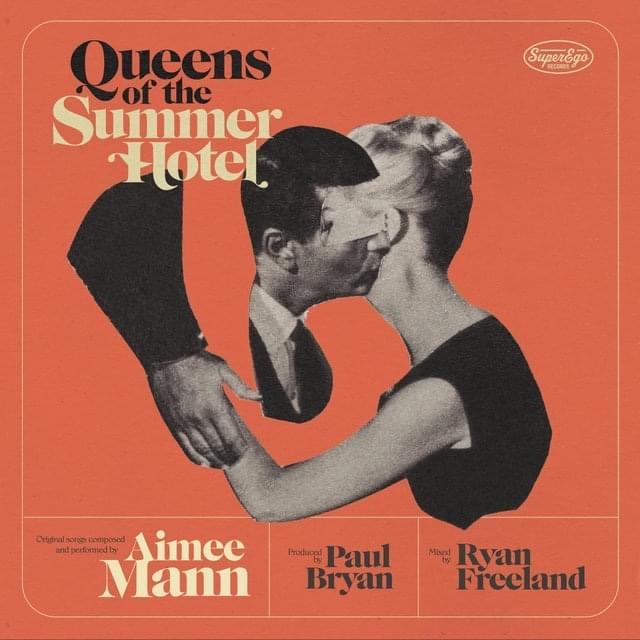
 View Artist