Song Meaning
The lyrics paint a picture of someone caught in a loop of longing and pain, centered around a past relationship. The narrator grapples with the persistent presence of a lost love, describing how their memory causes them to wander, cry, and ache. This internal turmoil is so profound that it's likened to a poison returning to a torn heart, suggesting a deep, almost physical wound.
The core tension lies in the narrator's simultaneous push and pull towards this person. Despite the evident suffering, they declare, "So I'm standing with you," holding onto a "blade that can't be removed" deep within their heart. This imagery of embracing a "painful wound that can't be cut out" highlights a self-destructive tendency to cling to what hurts, perhaps out of a desperate hope or an inability to let go.
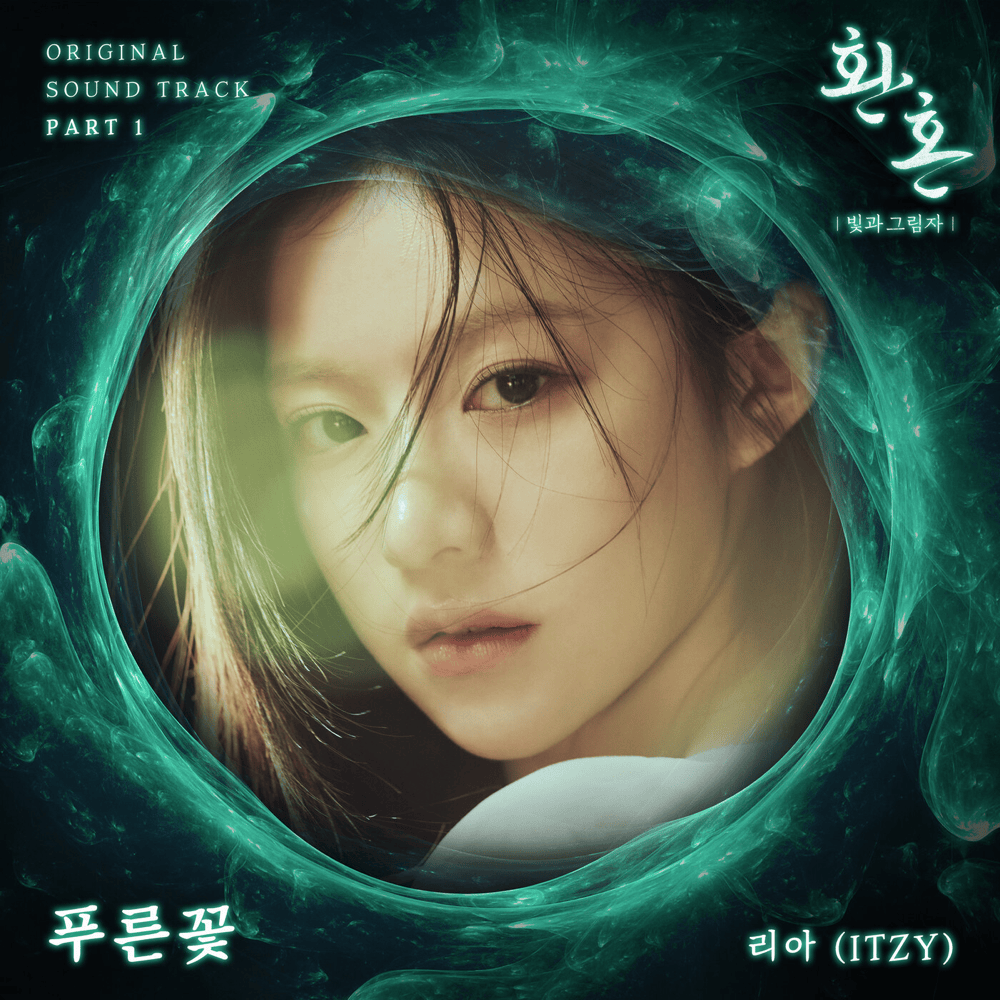
The most striking craft element is the recurring motif of "if you stay" and "if you come," framing the entire emotional landscape around the potential, yet uncertain, return of this person. The lyrics suggest this hope, however painful, is what keeps the narrator tethered, even as they acknowledge the impossibility of truly severing the connection. The final lines, seeing a "blue flower bloom again in your eyes," offer a fragile moment of peace, a visual metaphor for renewed hope or beauty found in the beloved, even if the narrator's own heart remains wounded.
This piece resonates because it articulates the complex, often contradictory nature of heartbreak. It’s not just about sadness, but about the active, painful choice to hold onto a memory and the person associated with it, even when it causes immense suffering. The raw imagery of a "blade" and a "wound" makes the internal struggle palpable, while the eventual glimpse of a "blue flower" offers a bittersweet resolution, suggesting that even in deep pain, there can be moments of profound, albeit fragile, beauty.
 View Artist