Song Meaning
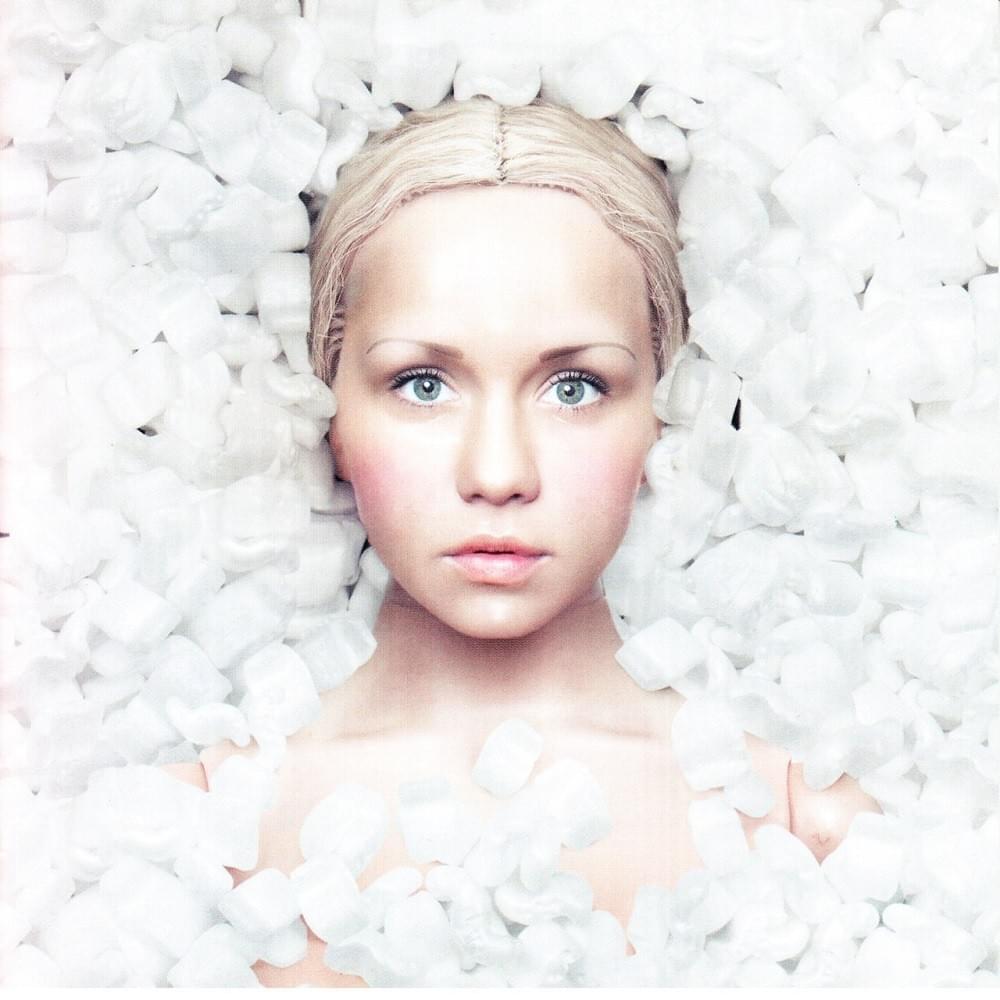
The lyrics paint a picture of someone grappling with external expectations of being a "doll" from childhood friends and their mother. This constant refrain, "Esi burvīga lelle" (Be a charming doll), echoes through their life, creating a sense of unease. The narrator expresses a fear of these imposed identities, stating, "Bet šie vārdi mani baida" (But these words scare me). They crave genuine connection, asking for affection and kindness, "Teic, esi mīļa man tu" (Say, be kind to me).
The central tension arises from the conflict between the persona others expect and the narrator's desire for authentic love and emotional depth. The lyrics question whether others see them as merely a "charming doll" or a "happy doll," implying a superficial perception. The narrator's plea, "Bet ja krūtīs manu sirdi / Īsti mīlai nesadzirdi" (But if you don't hear my heart for true love), highlights a desperate need for their inner feelings to be recognized and valued beyond a mere facade.
The most striking craft element is the insistent repetition of "lelle" (doll) contrasted with the emphatic "nē, nē, nē, nē, nē, nē" (no, no, no, no, no, no). This creates a powerful push-and-pull, rejecting the objectification while simultaneously acknowledging its pervasive presence. The shift from being a "charming doll" to wanting to be "Mīļa, laba, tev dzīve būšu / Tikai ne lelle vien" (Kind, good, I will be your life / Just not a doll) signifies a profound desire to be seen as a living, feeling individual, not a mere plaything.
These lyrics resonate because they articulate a universal struggle against being defined by others' limited perceptions. The narrator's vulnerability in expressing their fear and their yearning for genuine emotional understanding, rather than a passive, doll-like existence, makes the plea for authentic connection deeply felt. The writing effectively uses the simple, yet loaded, image of a doll to convey the pain of objectification and the profound human need to be truly seen and loved for one's inner self.
 View Artist