Song Meaning
The lyrics paint a vivid picture of an obsessive, all-consuming desire, likening the speaker to a moth drawn to a flame. The repeated phrase "Pervaneyim pervane" immediately establishes this central metaphor of being a "pervane" – a moth – drawn inexorably to fire. This isn't a gentle attraction; it's an "ahuzar oldum ateşe," a lament or cry becoming the fire itself, suggesting the speaker's very being is consumed by this passion. The physical reaction, "Yandım kavruldum" (I burned, I was scorched), underscores the destructive nature of this fixation.
The core tension lies in the speaker's simultaneous embrace and suffering of this intense feeling. The act of "Döndüm döndüm / Nice döndüm" (I turned, I turned / Many times I turned) highlights a cyclical, perhaps futile, struggle or dance around the object of desire. Yet, this turning is also an "ahuzar oldum da döndüm" (I turned, becoming a lament), indicating that the turning itself is a form of suffering. The lyrics suggest a profound internal conflict where the speaker is both the agent of their own torment and a victim of an irresistible force.
The most striking craft element is the visceral, almost physical manifestation of emotional turmoil. When the desired "Perim deydim tenine" (I touched your skin), it causes the heart and even the spine to "Oynar yüregim içinde / Oynar diregim içinde" (Play within me / Play within my spine). This isn't just a metaphor; it's a somatic experience, a physical tremor that suggests the overwhelming power of this connection. The desire for the world to "Kızıla dönsün artık küreyi alem / Kızıla dönsün karanlık gece" (Turn red now, the whole world / Turn red, the dark night) further amplifies this, wishing for a dramatic, fiery transformation that mirrors the internal conflagration.
This lyrical intensity is effective because it grounds an abstract obsession in concrete, physical sensations and a powerful, destructive natural metaphor. The cyclical turning and the burning are not just descriptions but experiences the listener can almost feel. The yearning for a world-altering red, a color of passion and danger, mirrors the speaker's own internal state, making the personal agony feel cosmically significant and deeply, uncomfortably real.
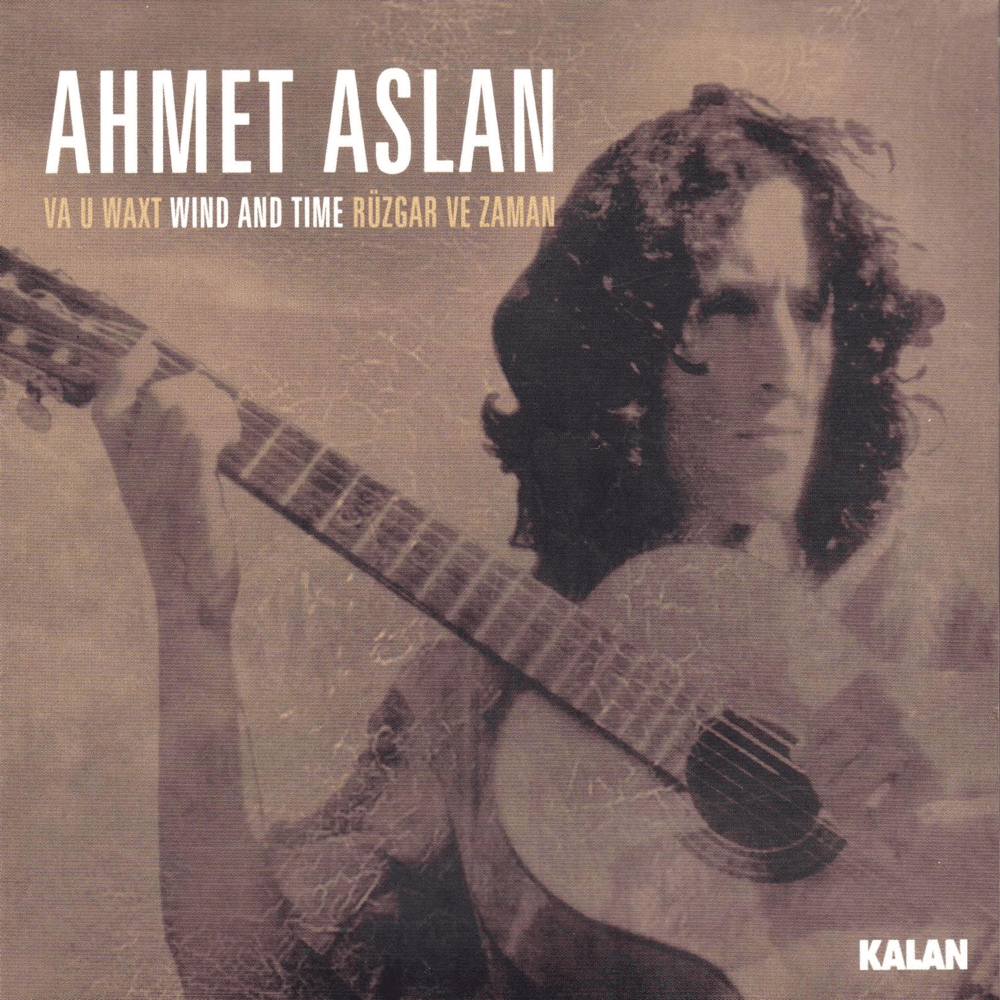
 View Artist