Song Meaning
The lyrics paint a picture of deep affection and admiration, opening with a declaration of ownership and devotion. The speaker addresses a beloved, using terms that suggest a cherished possession or a significant person. The repetition of "cane cane" and "melema mı cane" emphasizes this central figure, describing their softness and the weight of their name. This tenderness is juxtaposed with a sense of longing and perhaps unworthiness, as the speaker admits their own poverty and the difficulty of speaking the beloved's name.
The core emotional tension lies in the speaker's profound adoration clashing with their perceived inadequacy. They describe the beloved as a "gula de sosına" (rose in the garden) and someone whose name is too heavy to pronounce, highlighting their elevated status. Yet, the speaker identifies as "feqir kata şeri" (a poor person in strife) and fears their own shortcomings, wishing for a better fate for the beloved. This creates a poignant dynamic of worship from afar, tinged with the pain of perceived distance.
The most striking craft element is the use of evocative imagery and direct address to convey intense emotion. Phrases like "Porre to ki nermo" (Your hair is soft) and "Tı gula de sosına" (You are a rose in the garden) offer concrete, tender details. The repeated, almost incantatory, calling of "Cane...Cane...Cane..." functions as a focal point, drawing the listener into the speaker's singular obsession and heartfelt plea. The contrast between the beloved's perceived perfection and the speaker's self-deprecation is stark and effective.
These lyrics resonate because they capture a universal feeling of being overwhelmed by love for someone who seems almost divinely perfect. The speaker’s vulnerability, their awareness of their own flaws against the backdrop of the beloved’s grace, makes the adoration feel raw and genuine. The simple, direct language, combined with the powerful, almost prayer-like repetition, creates an intimate and deeply emotional portrait of devotion and devotion.
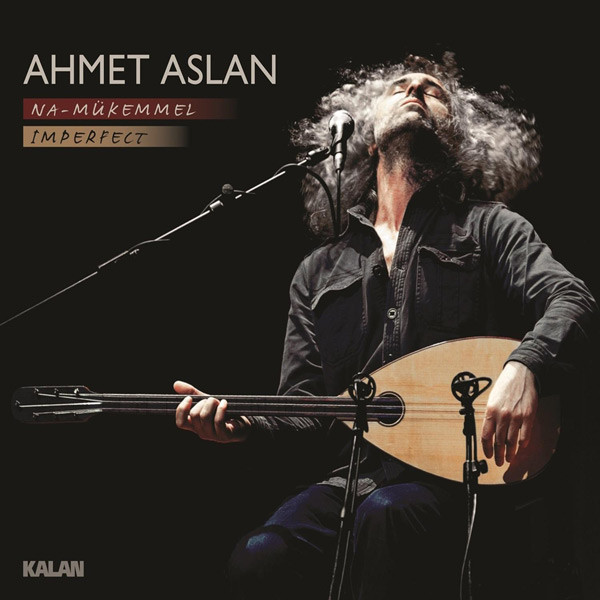
 View Artist