Song Meaning
The lyrics paint a tender picture of an expectant mother, her heart brimming with anticipation for her child's arrival. The opening lines establish a tone of pure joy and longing, emphasizing the shared wait between the parents and the profound desire for that "first hug." The narrator cherishes the thought of her child, conceived "on a summer day," a simple, beautiful image that grounds the impending birth in warmth and natural beauty.
However, this idyllic scene is starkly contrasted with the harsh realities of the outside world. The narrator acknowledges the distant "fighting" and "crying" that her unborn child might already perceive, creating a powerful tension between the intimate, hopeful space of pregnancy and the violent chaos beyond. This juxtaposition forces a contemplation of whether external conflict should deter the act of bringing new life into existence, posing the question: "Should those who kill scare us from giving life?"
The lyrics then shift to a more introspective, almost weary tone, acknowledging the psychological weight of this decision. The narrator admits that "sometimes things come over one," a subtle nod to the doubts and fears that can surface during such a significant life event. Despite the lingering "one month left" that "feels long," the underlying commitment to the child's birth remains, suggesting an internal fortitude that transcends immediate anxieties.
This internal struggle is further amplified by the consideration of others less fortunate. The narrator reflects on the existence of "so many children who have nothing" and "never grow up," a poignant reminder of the fragility of life and the potential for suffering. The idea of "refraining" from having the child, perhaps suggested by others, is weighed against the ineffable "gift" of the child's existence, ultimately affirming the profound, personal value of this new life despite the world's imperfections.
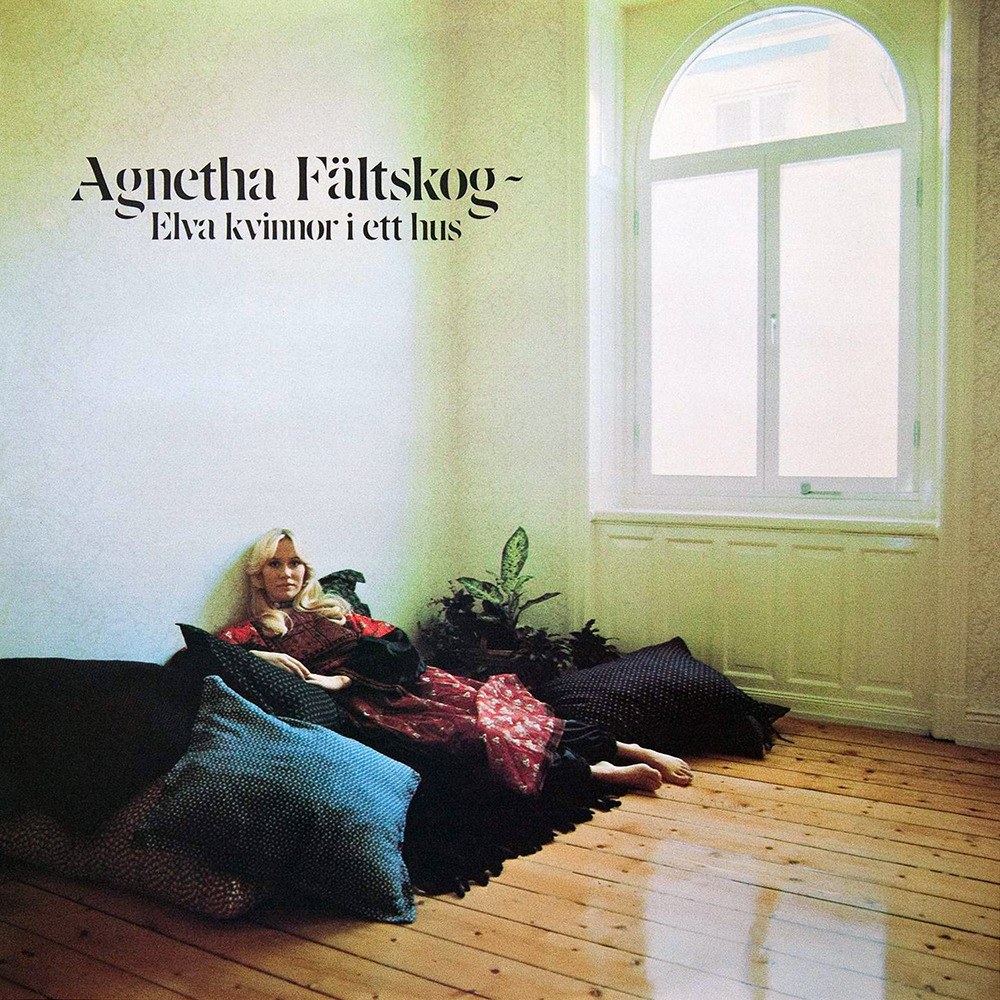
 View Artist