Song Meaning
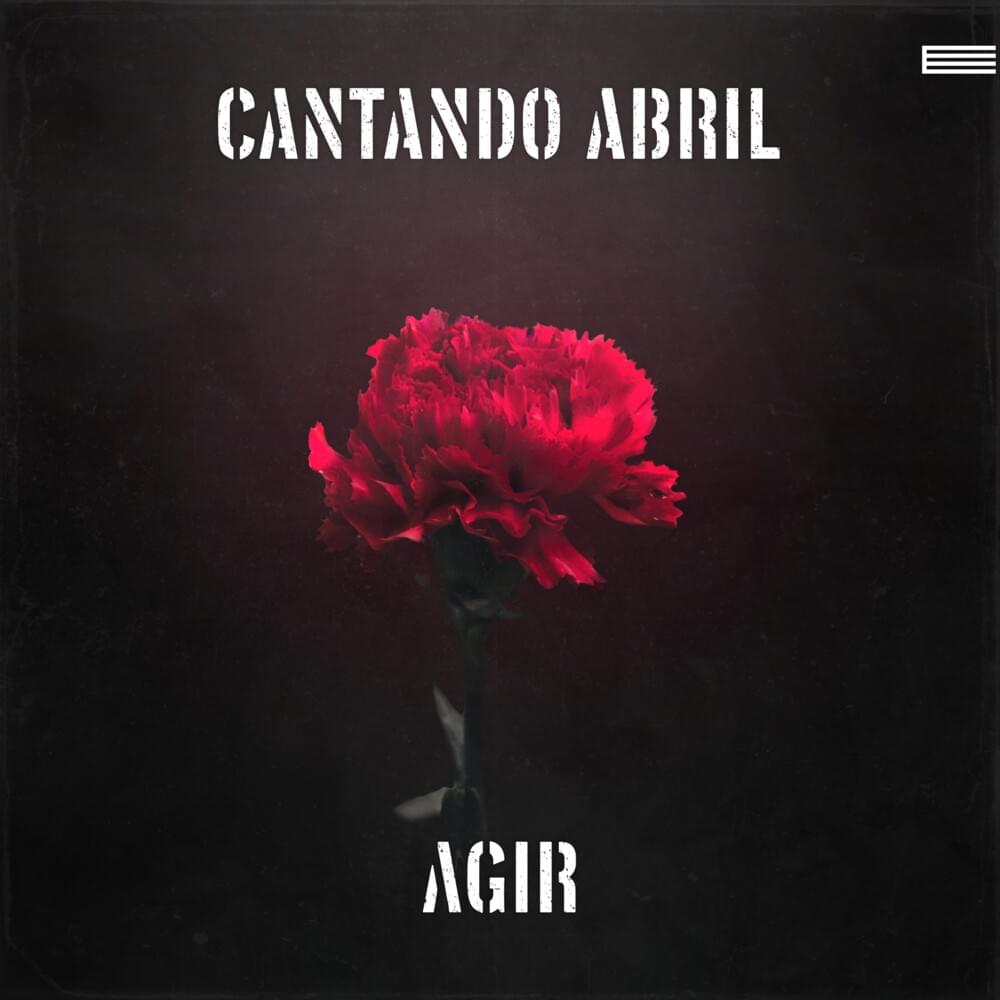
Agir's rendition of "Grândola Vila Morena" is more than just a cover; it's a potent symbol reclaimed. Originally a revolutionary anthem signaling the start of Portugal's Carnation Revolution in 1974, the song's simple verses carry immense weight. Agir, known for his own socially conscious work, taps into the inherent power of the original, presenting it to a new generation. The lyrics themselves, revolving around the town of Grândola as a metaphor for unity and the will of the people, remain unchanged, retaining their stark and direct message.
The core of "Grândola Vila Morena" lies in its celebration of collective identity. The repeated lines, "O povo é quem mais ordena" (the people are the ones who command) and "Terra da fraternidade" (land of fraternity), emphasize the strength found in solidarity. It’s a defiant cry against oppression, a reminder that power ultimately resides in the hands of the citizenry. Agir's interpretation doesn't attempt to reinvent the wheel; rather, it amplifies the song's inherent message, making it resonate within a contemporary context where social justice and democratic ideals are continuously challenged.
Ultimately, Agir’s revisiting of “Grândola Vila Morena” serves as both a history lesson and a call to action. The image of swearing allegiance to Grândola's will "À sombra duma azinheira" (in the shadow of an oak tree) suggests a deep, rooted commitment to the principles of community and self-determination. It’s a powerful statement, reminding listeners that even simple melodies can carry the weight of revolution and the enduring hope for a more equitable society. The song meaning is not just historical; it’s a living testament to the potential of collective action.