Song Meaning
The lyrics paint a picture of someone grappling with a potential shift in a significant relationship, questioning if the other person is seeking change or perhaps a return to a past state. There's a palpable sense of dependence, with the narrator repeatedly stating, "I know that I'd never last a day without you." This refrain underscores a deep-seated reliance, suggesting their world or sense of self is inextricably tied to the other person's presence. The opening questions, "Could it be that you were hoping / Something new would change your life?" and "And if you had your way / Would everything be like it was before?" establish a core tension: is the other person looking forward or backward, and how does that impact the narrator's own stability?
The central conflict emerges from this uncertainty about the other person's desires versus the narrator's own profound need. The narrator seems to be projecting their own fear of separation onto the other, wondering if they'd even "ask for more" if things reverted. This fear is amplified by the plea to "save a little time," which feels like a desperate attempt to hold onto the present or a shared future before it slips away. The line "We'll twist and tangle as our destinies unwind" hints at a complex, perhaps even fated, connection that the narrator is anxious not to break.
The most striking craft element is the stark contrast presented in the final stanza. After declaring their own inability to survive without the other, the narrator flips the script: "You wouldn't last a day." This is a powerful assertion, shifting from vulnerability to a confident, almost defiant, declaration of mutual indispensability. It suggests that while the narrator feels this dependence acutely, they also perceive it as a shared reality, a hidden strength in their bond. The final lines, "I will not go away / And in the end there will be no long goodbye," offer a resolution, a promise of permanence that counters the initial anxieties.
This lyrical construction is effective because it moves from a place of raw, relatable insecurity to a powerful affirmation of connection. The repetition of the core phrase builds the emotional weight, making the eventual counter-assertion feel earned and deeply satisfying. The ambiguity of the opening questions invites the listener to project their own relationship anxieties, while the confident closing offers a sense of hope and unwavering commitment, all grounded in the simple, direct language of dependence and mutual need.
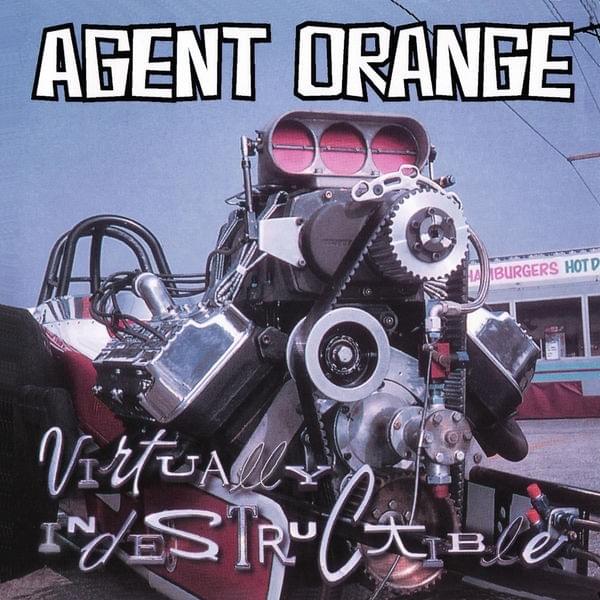
 View Artist