Song Meaning
The lyrics confront a recurring sense of loss and betrayal, framing it through a spiritual lens. The opening verse establishes a pattern of struggle and urgency, using natural metaphors like "Ingen storm uten vind" (No storm without wind) and "Ingen brann uten ild" (No fire without flame) to suggest that hardship and consequence are inherent. This sets a somber tone, hinting that the subsequent questions are about a profound failure to uphold ideals.
The central refrain, "Å, va det du Jesus / Va det dæ vi mista igjen / Å, va det sjansen te livet vi lemlesta no igjen" (Oh, was it you Jesus / Was it you we lost again / Oh, was it the chance for life we crippled again), directly questions whether humanity has repeatedly failed a divine figure or, more broadly, squandered opportunities for a better existence. The word "lemlesta" (crippled) is particularly brutal, suggesting a self-inflicted, violent destruction of potential.
The lyrics then pivot to specific historical echoes, mentioning "Palach" and "Prag" (Prague), evoking a sense of protest and sacrifice met with suppression, symbolized by "Ett senka flagg" (A lowered flag). Later, the narrative shifts to "Sabra Chatila," a place associated with immense suffering, and a child, "kun åtte år" (only eight years old), wrongly labeled a "terrorist." These instances serve as concrete examples of the "sår" (wound) and the "mista" (lost) that the refrain laments, highlighting how innocence and hope are repeatedly broken.
Ultimately, the song uses these stark historical and metaphorical wounds to question a collective failure to embody or protect the values associated with Jesus – peace, freedom, and life. The repeated questioning implies a deep-seated disillusionment, suggesting that humanity's actions have repeatedly led to the loss of a sacred opportunity, leaving behind only pain and regret.
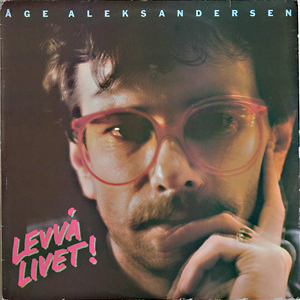
 View Artist