Song Meaning
The lyrics paint a stark, almost morbidly intimate picture of shared mortality. The opening lines immediately establish a sense of inevitable end, framing death not as a distant event but as a prepared resting place: "Two coffins for sleep." This isn't about the act of dying, but the state of being gone, a shared fate that the narrator acknowledges with a resigned "We'll get there eventually." The decay in the grave is presented matter-of-factly, a natural consequence of this shared destination.
The central tension lies in the narrator's desperate clinging to the present moment, specifically the memory of the other person's smile. They recall this image with profound gratitude, calling it "lucky," and the "little moon face shining bright" becomes a potent symbol of fleeting joy. This cherished memory stands in sharp contrast to the "annihilation" and "nothing left" that the narrator anticipates, creating a deep emotional ache between the beauty of what was and the dread of what will be.
The repetition of "Two coffins for sleep" acts as a haunting refrain, reinforcing the inescapable nature of their shared end. It’s a constant, almost ritualistic reminder that this isn't a solitary fear but a mutual destiny. The phrase "I wish you'd never change" from Verse 1, echoed by "I wish you'd stay with me" in Verse 2, reveals the core of the narrator's pain: a desire to freeze time and preserve the person they love against the tide of decay and oblivion.
Ultimately, the effectiveness of these lyrics stems from their unflinching gaze at mortality, juxtaposed with a tender, almost childlike appreciation for a specific, beautiful moment. The writing doesn't shy away from the grim reality of decay but finds its emotional power in the desperate, loving wish to hold onto a single, bright memory against the encroaching darkness. It’s this contrast that makes the shared fate of the "two coffins" feel so profoundly sad.
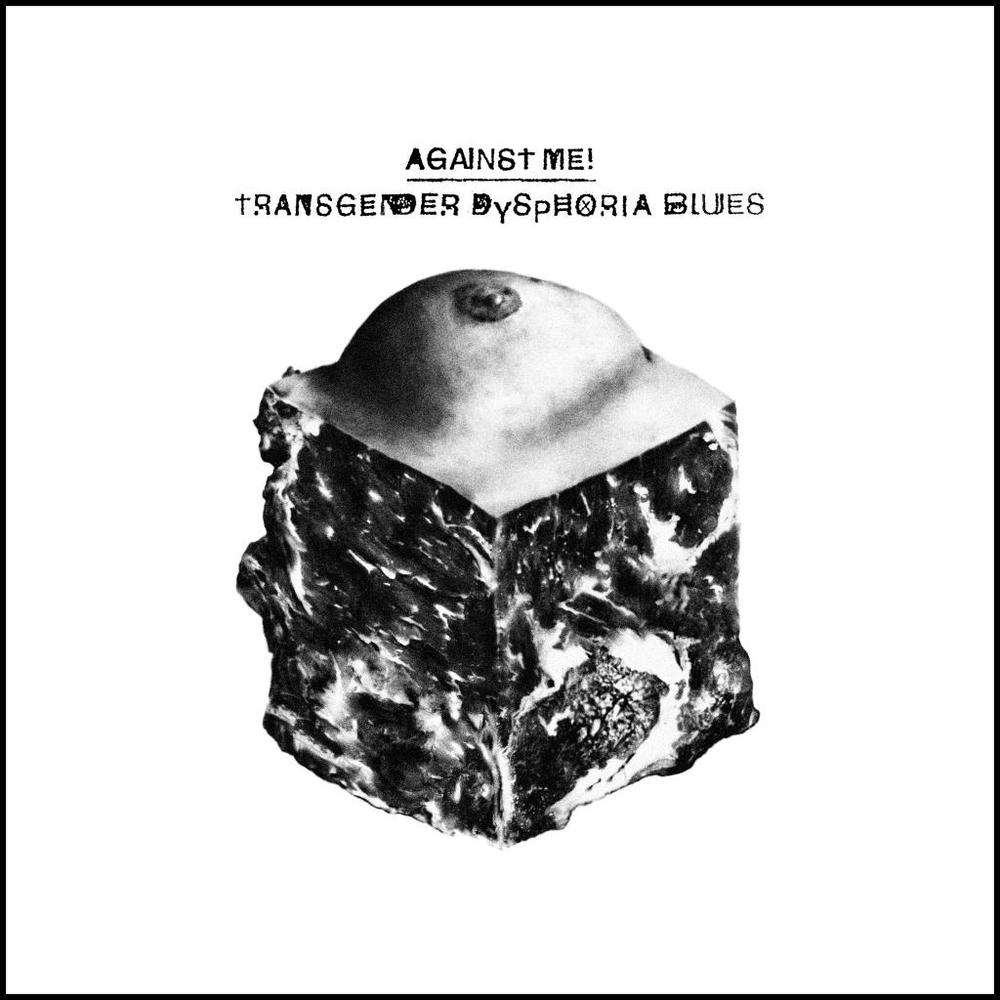
 View Artist