Song Meaning
The lyrics paint a stark picture of a world where societal structures are failing, masked by a superficial "sunrise aesthetic." The narrator questions the legitimacy of consent in a system rife with "class division," noting a lack of genuine opportunity. This sets a tone of disillusionment, suggesting a manufactured reality where genuine choice is absent.
The core tension arises from the forced acceptance of dire circumstances. The image of "fashion models gas masks in hand" juxtaposes aspirational imagery with grim survival, highlighting a societal disconnect. The repeated phrase "it's ok, it's all right" feels less like reassurance and more like a desperate mantra to endure situations that are clearly not okay.
The most striking aspect is the ironic framing of "invasion" as a potential bringer of "freedom," a concept twisted to justify a loss of agency. This leads to the chilling conclusion that "unconsciousness is true happiness," implying that true awareness of the bleak reality is too painful to bear. The final "No, no, I don't know what to say" underscores a profound sense of helplessness and an inability to articulate the overwhelming despair.
This writing is effective because it uses sharp, unsettling juxtapositions to expose a societal rot beneath a polished surface. The contrast between the "sunrise aesthetic" and the grim realities, alongside the perversion of freedom, creates a powerful emotional impact. It forces the listener to confront the uncomfortable idea that sometimes, the most palatable response to overwhelming problems is a form of willful ignorance.
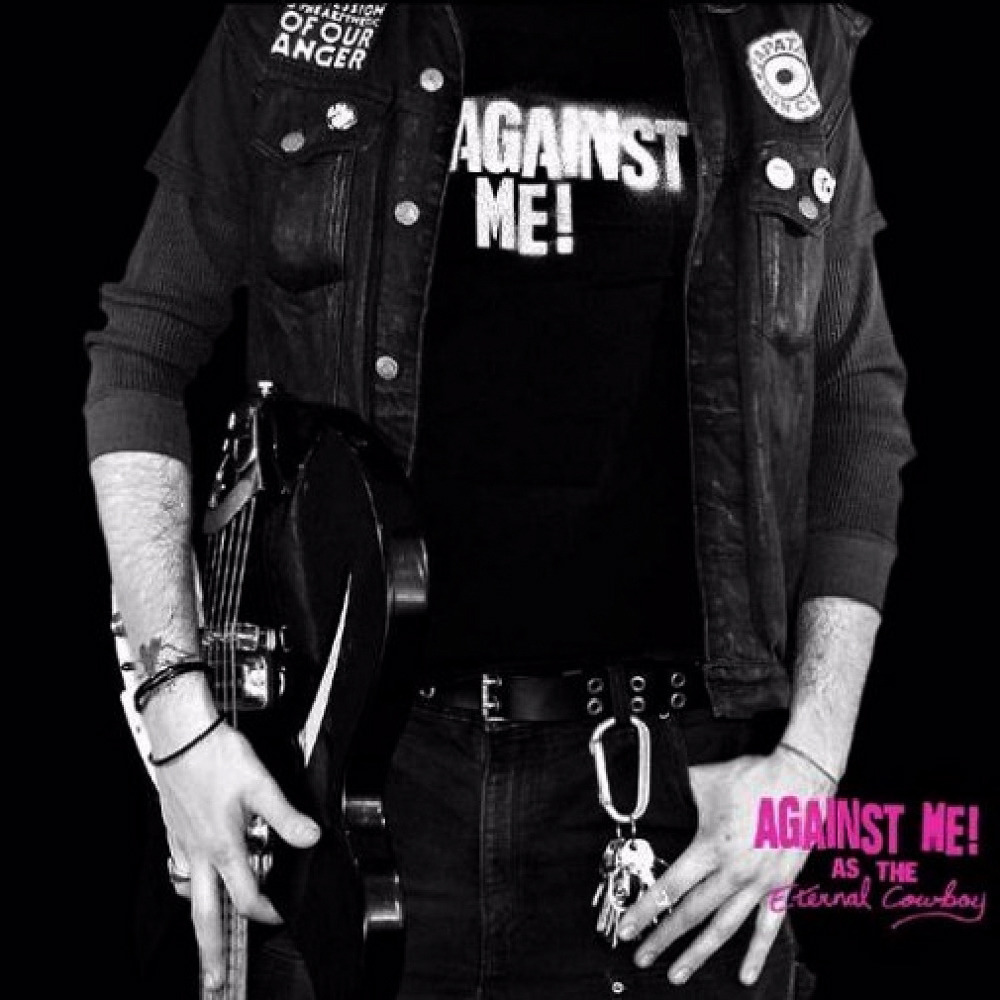
 View Artist