Song Meaning
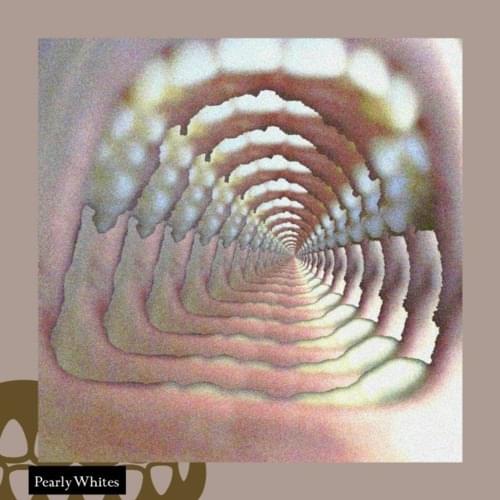
The chorus immediately sets up a harsh dichotomy: you can only smile if you've achieved perfection, specifically a dazzlingly white smile. This isn't about genuine happiness; it's about external validation tied to an impossible standard. The lyrics suggest a world where only the flawless are allowed to express joy, creating an immediate sense of alienation for anyone who falls short. The repeated phrase "pearly whites" becomes ironic, transforming a symbol of health and beauty into something to be concealed.
The central tension lies in the demand for unattainable perfection. The narrator asserts that "only perfect people exist for real," a statement that feels deeply cynical and isolating. This implies that anyone not meeting this absurdly high bar – those who haven't done "anything right" or whose teeth aren't "so bright" – are essentially invisible or unreal. The directive to "hide those ugly pearly whites" is a direct command to suppress any outward sign of imperfection, reinforcing the idea that flaws are unacceptable.
The most striking element is the subversion of the common association between smiling and happiness. Here, smiling is a performance, a sign of having met an external, superficial benchmark. The stuttering repetition of "p-p-pearly whites" adds a nervous, almost frantic energy, as if the speaker is trying to convince themselves or others of this absurd rule. The parenthetical asides, like the one about a toothpaste ad, further highlight the manufactured and commercialized nature of this ideal.
Ultimately, these lyrics hit hard because they articulate a pervasive, unspoken pressure to present a flawless facade. The song taps into the anxiety of not measuring up, turning a simple act like smiling into a source of dread. By demanding that "ugly pearly whites" be hidden, the lyrics expose the cruelty of a system that values superficial perfection over authentic human experience.
 View Artist