Song Meaning
The lyrics paint a stark picture of abandonment and isolation, centering on the repeated phrase "Been hung out to dry." This central image evokes a feeling of exposure, vulnerability, and being left behind. The narrator observes external events and words passing them by, suggesting a sense of detachment or powerlessness in the face of what's happening around them. The repetition of "one more time" amplifies the cyclical nature of this feeling, implying a recurring pattern of being left in this exposed state.
The core tension lies in the narrator's passive experience versus the active choices of another person. While the narrator "sees" and "hears" things pass, the other individual "chooses your side," "crosses the line," and "quickly leaves." This contrast highlights a dynamic where one party is left exposed and alone, while the other moves on decisively, leaving the door open for their departure. The phrase "hung out to dry" becomes a potent metaphor for this abandonment, a state of being left vulnerable and unprotected.
The most striking element is the insistent repetition of "one more time" following "Been hung out to dry." This isn't just a single instance of being left behind; it's a continuous, almost ritualistic experience. The lyrics also feature a peculiar self-declaration from the other person: "You like to hear the sound of no one else." This line, repeated multiple times, suggests a profound self-absorption or a deliberate preference for isolation, which directly leads to the narrator's state of being "hung out to dry." It implies the other person's actions are not accidental but a chosen way of being that results in the narrator's predicament.
This lyrical construction is effective because it grounds an abstract feeling of abandonment in a visceral, concrete image. The relentless repetition of the core phrase and the "one more time" refrain creates a sense of inescapable dread and resignation. The specific, almost detached observation of the other person's self-centeredness, coupled with the narrator's passive reception of their fate, makes the feeling of being "hung out to dry" feel both personal and starkly inevitable.
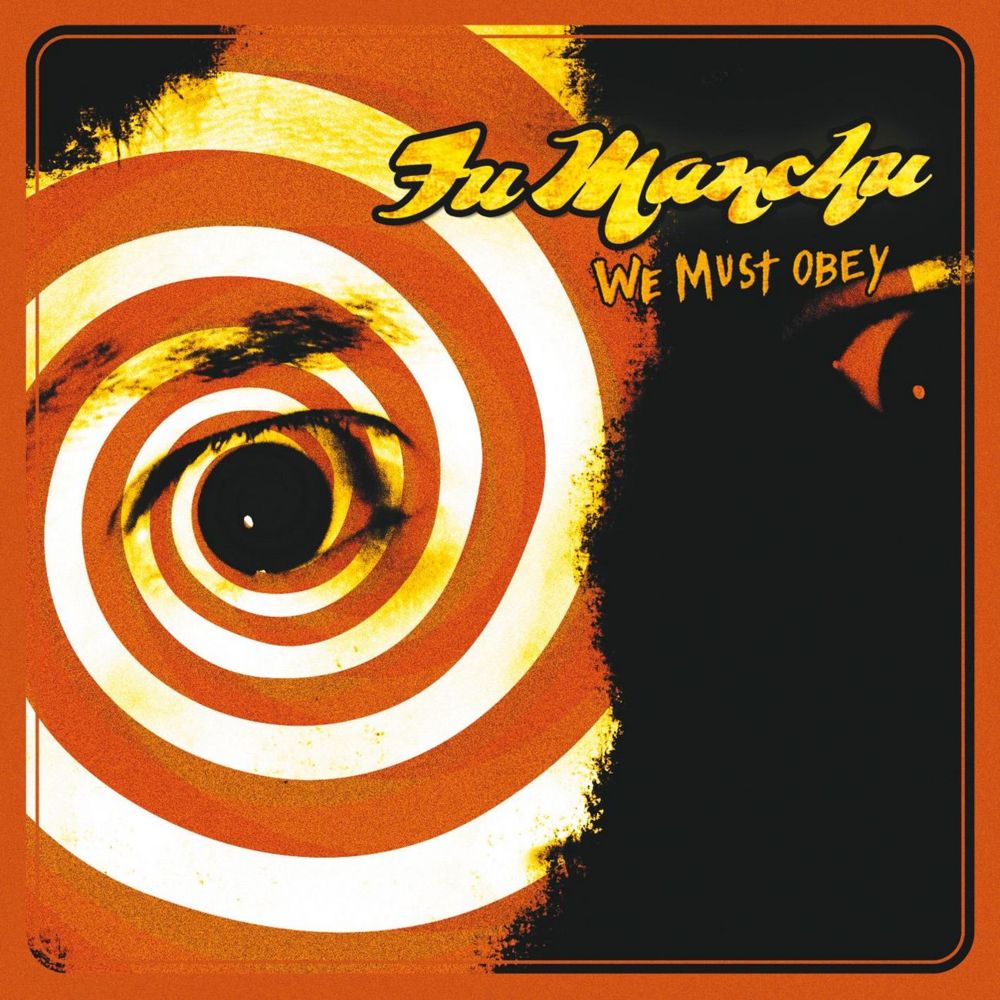
 View Artist