Song Meaning
The lyrics paint a stark picture of singular devotion and its devastating aftermath. The narrator contrasts the listener's abundance of possessions and desires with his own singular focus: "Io avevo una cosa sola" (I had only one thing). This singular focus intensifies into an all-consuming love, so profound that he would "morire subito per lei" (die immediately for her) and "rinato per non lasciarla mai più sola" (be reborn not to leave her alone again). This sets up the central tension: the absolute commitment to one person versus the listener's apparent multiplicity of experiences.
The chorus pivots sharply, shifting the focus from the narrator's possessions to the listener's romantic entanglements: "Quante donne hai" (How many women you have). The narrator's "una donna sola" (only one woman) is presented as a stark counterpoint to this. The lyrics then introduce a cynical resignation: "Non amare mai" (Never love), because "il sentimento vola" (the feeling flies away). This suggests a deep-seated disillusionment, where love is seen as fleeting and ultimately leading to isolation.
The most striking aspect is the narrator's transformation and current state. He describes himself as "piango senza lacrime" (crying without tears) and breathing "intorno a lei" (around her), a ghostly existence. He questions his own identity, "Cosa sono: qualche cosa che nessuno vuole diventare mai" (What am I: something that no one ever wants to become). This profound self-negation is a direct consequence of his intense, singular love, a love that has apparently left him hollowed out and unrecognizable.
Ultimately, the lyrics serve as a bitter warning born from extreme experience. The narrator's plea, "Di una donna, di una donna, non innamorarti mai" (Of a woman, of a woman, never fall in love), is a desperate distillation of his pain. The specific, crushing impact comes from the contrast between his past absolute devotion and his present state of emotional desolation, a state he attributes directly to the overwhelming power of loving "una donna come lei" (a woman like her).
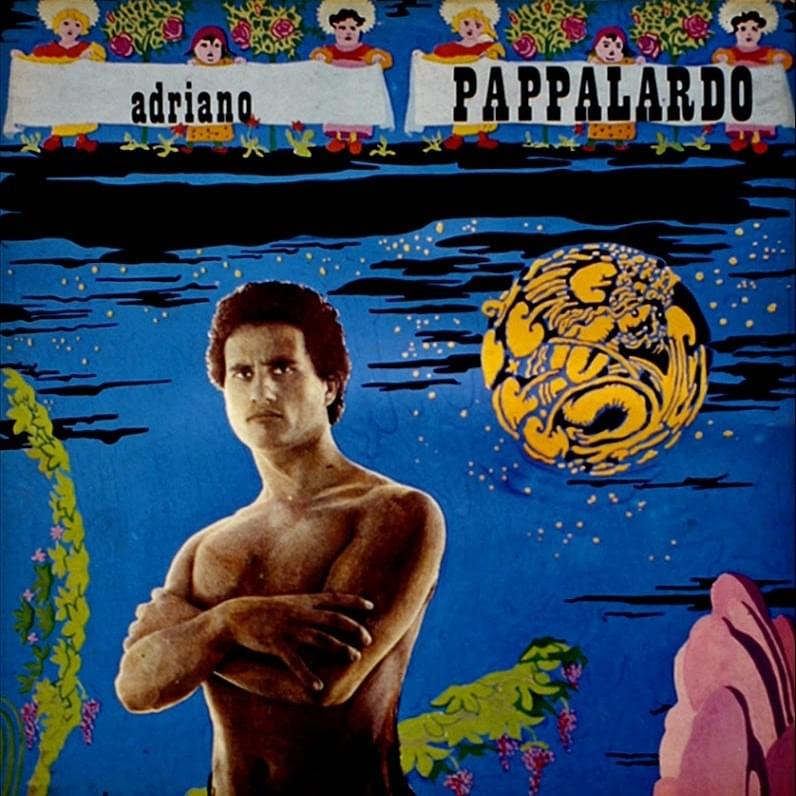
 View Artist