Song Meaning
Adriano Celentano's "Hai bucato la mia vita" isn't just a breakup song; it's a visceral excavation of heartbreak. The title itself, translating to "You punctured my life," sets the stage for a profound sense of violation and irreparable damage. It's not merely sadness, but a feeling of being fundamentally altered by the departure of a lover. The lyrics drip with the bitterness of betrayal and the lingering sting of disbelief. The speaker anticipates his former lover finding someone new, even predicting her future pain, a classic defense mechanism masking his own deep wounds. He, however, declares his heart closed off, unable to love again, emphasizing the perceived finality of their separation.
Celentano masterfully conveys the disorienting nature of heartbreak through vivid imagery. The woman's departure is depicted as a destructive force, not only puncturing his life but also incinerating his imagination and sweeping away his poetry like a "freezing wind." This destruction goes beyond mere emotional pain; it suggests a loss of inspiration, creativity, and the ability to find beauty in the world. The repetition of the phrase "E il mio pensiero vola, ritorna a quella sera..." ("And my thought flies, returns to that evening...") highlights the obsessive nature of grief, the mind relentlessly replaying the moment of rupture, unable to escape the initial shock.
The song's power lies in its raw honesty and relatable vulnerability. The speaker grapples with the impossibility of their separation, lamenting that "a couple indivisible" could fall apart. This sense of disbelief is compounded by the unsettling realization that his love may no longer be reciprocated. The closing lines, "Non c'è niente mai di certo, di possibile mai / E può esser che noi, poi... Non rispondermi adesso..." ("There is never anything certain, never anything possible / And it may be that we, then... Don't answer me now...") reveal a flicker of hope amidst the despair, a desperate plea for reconciliation, tinged with the fear of a definitive answer. "Hai bucato la mia vita," ultimately, is a portrait of a soul laid bare, grappling with the irreversible consequences of lost love.
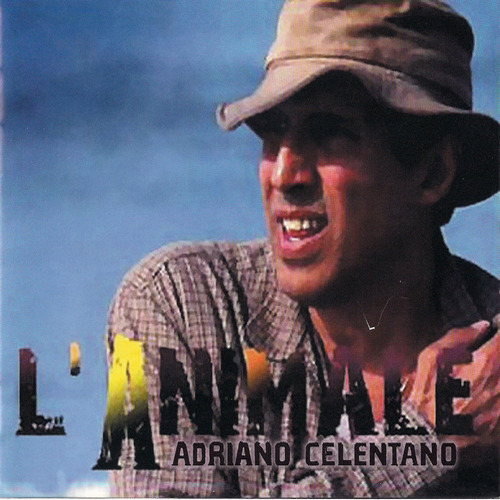
 View Artist