Song Meaning
Adriana Calcanhotto's "Adria (Zimmer frei zwei)" unfolds as a complex, almost theatrical exploration of desire, friendship, and the blurred lines between them. The lyrical premise is deceptively simple: the narrator imagines a scenario where a male friend encounters a past lover within her home ("meu chateu"). But the central question – "Será que tinha coragem de trocar a nossa amizade / Por ela que já lhe abandonou?" (Would you dare trade our friendship / For her who already abandoned you?) – immediately plunges us into a deeper emotional space. It's not just about romantic rivalry; it's about the perceived value of connection, loyalty, and the comfort of an existing bond versus the volatile allure of a past flame.
The real twist, and the core of the song's meaning, arrives with the revelation that this former lover already resides with the narrator: "Eu falo porque essa dona / Já mora no meu barraco à beira de um regato" (I say this because this woman / Already lives in my shack by a stream). This isn't merely cohabitation; it's a deeply intimate relationship: "De dia me lava a roupa / De noite me beija a boca / E assim vamos vivendo de amor" (By day she washes my clothes / By night she kisses my mouth / And so we live in love). Calcanhotto masterfully subverts expectations, transforming the initial scenario into a declaration of queer love and a challenge to conventional relationship dynamics. The song reframes the male friend's potential desire, positioning it not as a threat, but as a point of comparison against the established, nurturing love the narrator shares with her partner.
Ultimately, "Adria (Zimmer frei zwei)" is a celebration of unconventional love and a subtle commentary on societal expectations. The "zimmer frei" (room available) in the title hints at an openness to possibilities, but also a firm grounding in the present. The narrator isn't threatened by the past; she uses it to highlight the strength and beauty of her current relationship. The song's power lies in its quiet confidence and its refusal to conform to predictable narratives of jealousy or romantic competition. It's a sophisticated meditation on the multifaceted nature of love and the courage to define it on one's own terms.
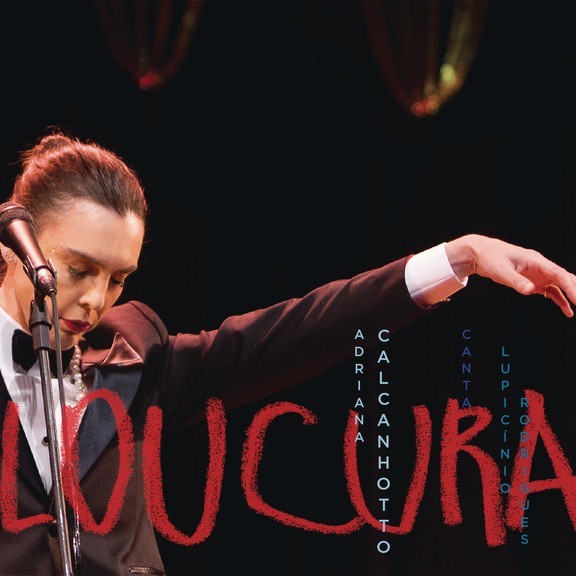
 View Artist