Song Meaning
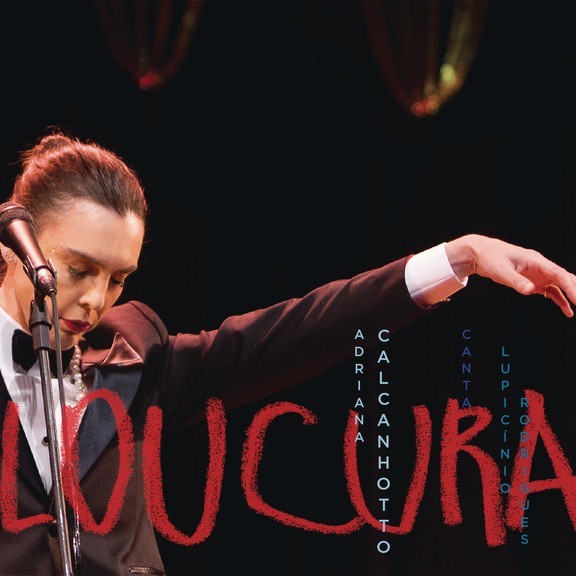
Adriana Calcanhotto's "Quem Há de Dizer" isn't a simple tale of jealousy; it's a psychologically astute portrait of love's inherent contradictions, wrapped in the smoky atmosphere of a cabaret. The speaker watches his lover, radiant and captivating, holding court at a table, her presence eclipsing even the stage lights. This isn't mere admiration; it's a recognition of her untamable spirit, a quality that both enthralls and isolates him. The cabaret becomes a microcosm of their relationship, where she shines publicly while he remains in a "sono" – a sleep, a stupor – of quiet desperation. The lyrics subtly highlight the power imbalance, with her radiating outward and him retreating inward.
The core of the song meaning lies in the acceptance of this imbalance. A friend's advice – to take her away and build a life – is tempting, representing the conventional desire for possessive, exclusive love. However, the speaker realizes his lover is destined for a wider audience, possessing a "lua"-like quality, reflecting light for everyone, not just him. This isn't a dismissal of love but a mature acknowledgement that some souls cannot be contained. He understands her inherent need for freedom and expression, even if it means sacrificing the traditional comforts of a shared life.
Ultimately, “Quem Há de Dizer” becomes a poignant meditation on the nature of love and destiny. It is a song that speaks to the sacrifices one makes when loving someone whose spirit cannot be caged. The "espelho" (mirror) of the world reflects back the reality of their situation, forcing him to confront the fact that her light, while shared with him, belongs to everyone. It's a bittersweet acceptance, a quiet resignation to a love that exists on its own dazzling, unconventional terms.
 View Artist