Song Meaning
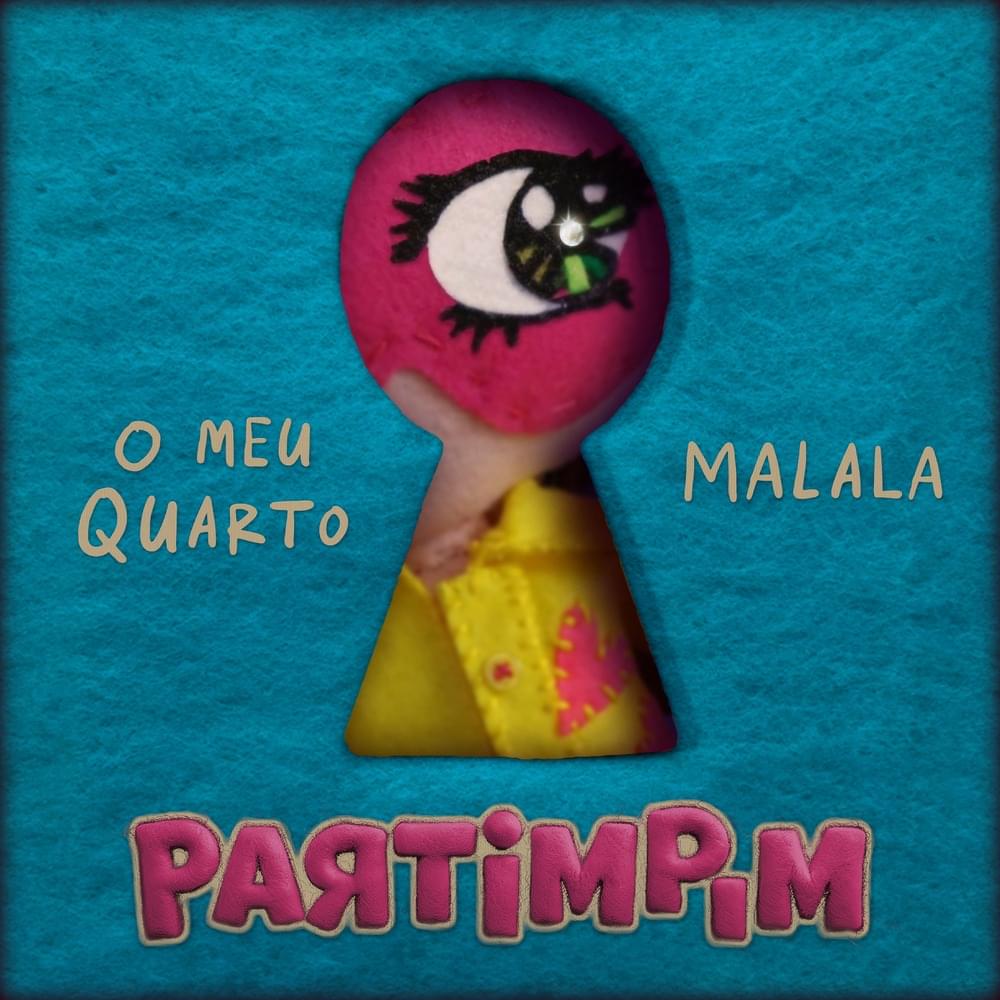
Adriana Calcanhotto's "O Meu Quarto" isn't just a song; it's an incantation, a whispered invitation into the sacred space of childhood imagination. The repeated phrase "Meu nome é Partimpim!" acts as a key, unlocking a world where identity is fluid and play is paramount. "Partimpim," a playful pseudonym Calcanhotto adopted for her children's albums, immediately signals a departure from adult concerns, a deliberate regression to innocence. The song's core question, "O seu nome é:" (What is your name?) isn't merely a request for identification but an urging to redefine oneself, to shed the constraints of a fixed identity and embrace the boundless possibilities of make-believe.
The lyrics consistently emphasize creation and transformation: "E nós vamos inventar o mundo" (And we will invent the world) and "E nós vamos ser bicho, planta, fantasia" (And we will be animal, plant, fantasy). This isn't just about playing pretend; it's about actively constructing reality through imagination, blurring the lines between the tangible and the fantastical. The repeated invitation, "Vem!" (Come!), functions as a siren call, beckoning the listener to abandon cynicism and enter this realm of limitless potential. The simplicity of the lyrics belies a profound understanding of the human need for escapism and the regenerative power of creative play.
The recurring phrase "No meu quarto" (In my room) anchors this imaginative space in a physical location, transforming the bedroom into a microcosm of boundless creation. The repetition itself mirrors the cyclical nature of play, the way children return to the same games and stories, each time finding new nuances and possibilities. "O Meu Quarto" is more than just a children's song; it’s a reminder that the capacity for wonder and reinvention resides within each of us, accessible simply by stepping back into the room of our own imagination. It's a potent antidote to the rigid structures of adulthood, a call to reclaim the fluidity and joy of childhood.
 View Artist