Song Meaning
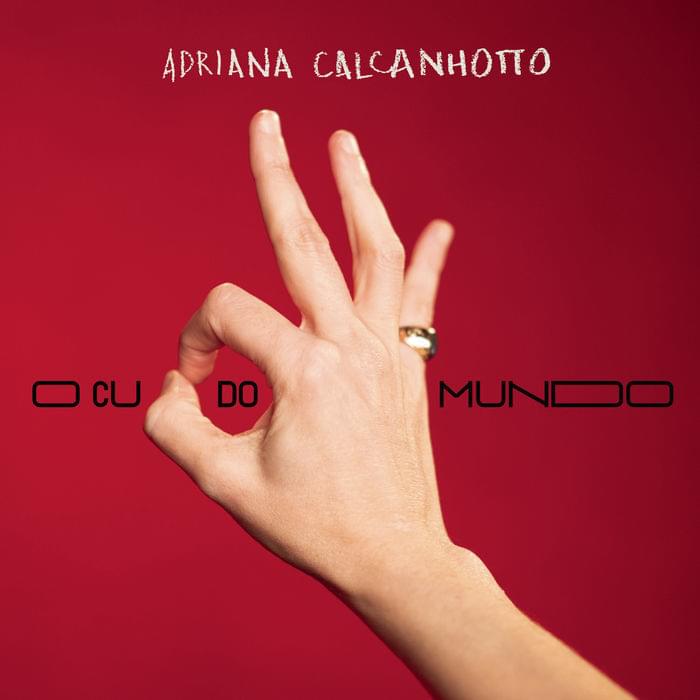
Adriana Calcanhotto's "The Only Prefuse 73 [Bonus Track]" (also known as "O Cu do Mundo") isn't a comfortable listen; it's a raw, unflinching confrontation with the darkest corners of human behavior and societal decay. The song, built on stark imagery of theft, rape, and putrid kidnapping, immediately establishes a landscape of moral bankruptcy. Calcanhotto doesn't offer escapism; she forces us to stare into the abyss, using visceral language to depict a world where heinous acts are commonplace, almost banal. The phrase "o cu do mundo"—the ass of the world—functions as both a vulgar indictment and a geographical marker, pinpointing the location of this moral wasteland. It is a place where language itself becomes twisted and grotesque ("O adjetivo esdrúxulo em u"), reflecting the perversion of values. The song meaning revolves around the idea of the world's underbelly, a vile place. It also suggests the normalization of the vile, a world where the worst possible actions become almost mundane.
The recurring motif of "linchadores" (lynchers) casts a long shadow, evoking the specter of mob violence and the dehumanization that fuels it. The lyrics don't simply describe isolated incidents of brutality; they paint a portrait of a society complicit in its own degradation. Calcanhotto points a finger at the collective, implicating everyone in the perpetuation of this cycle of violence. The "fruit of evil shines in the inhuman shadow of the lynchers" is a strong metaphor for the way people seem to be attracted by evil actions, even to celebrate them. The line "A mais triste nação / Na época mais podre / Compõe-se de possíveis / Grupos de linchadores" (The saddest nation / In the most rotten era / Is composed of possible / Groups of lynchers) is particularly damning, suggesting that the potential for brutality lies dormant within us all, ready to be unleashed under the right (or wrong) circumstances.
Ultimately, Adriana Calcanhotto's song offers no easy answers or comforting resolutions. It's a bleak, unsettling work that challenges listeners to confront the uncomfortable truths about human nature and the societies we create. The repetition of phrases and images throughout the song serves to reinforce the cyclical nature of violence and the difficulty of breaking free from its grip. It is a profound meditation on the dark side of humanity, a brutal reminder of our capacity for cruelty and the ever-present danger of succumbing to our worst instincts.
 View Artist