Song Meaning
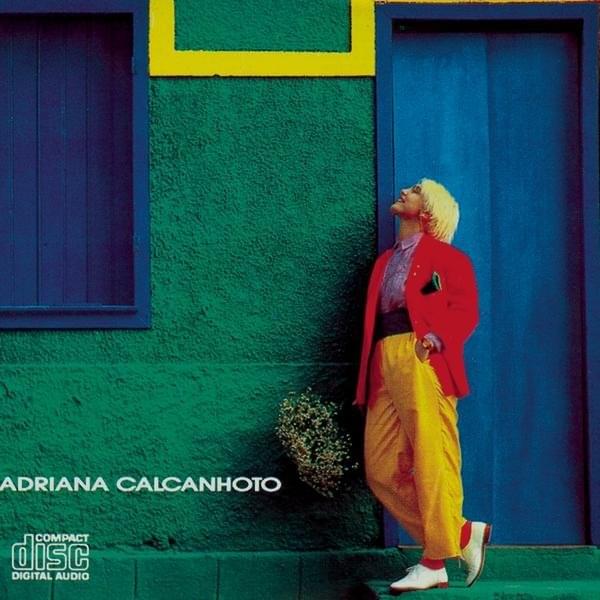
Adriana Calcanhotto's "Nunca" is a masterclass in Brazilian saudade, a profound emotional state that's a cocktail of longing, nostalgia, and a touch of melancholy. But "Nunca" isn't just wallowing in the past; it's a declaration of absolute closure, a scorched-earth policy applied to a relationship beyond repair. The opening lines, "Nunca/ Nem que o mundo caia sobre mim/ Nem se deus mandar nem mesmo assim/ As pazes contigo eu farei" (Never, not even if the world falls on me, not even if God commands, even then peace with you I will not make), set an unshakeable tone. This isn't a casual breakup song; it's an iron-clad vow, a definitive severing. The depth of hurt required to fuel such uncompromising resolve is palpable. Calcanhotto isn’t negotiating; she's drawing a line in the sand with the force of a hurricane.
The lyrics then shift to a somber acceptance of irreversible loss. "Quando a gente perde a ilusão/ Deve sepultar o coração/ Como eu sepultei" (When one loses hope, one must bury the heart, as I have buried mine) illustrates the psychological toll. The singer has not only lost a lover but has also had to bury a part of herself, a part that believed in the possibility of this love. This is not just heartbreak; it's a kind of emotional death, a necessary amputation to survive. The intensity of the loss is what gives the later verses their emotional weight.
The final verses, addressing "saudade" (longing) itself, are particularly striking. Calcanhotto personifies saudade, instructing it to convey the sincerity of her past love and her current need for solace: "Diga à esse moço por favor/ Como foi sincero o meu amor/ O quanto eu adorei tempos atrás" (Tell this young man, please, how sincere my love was, how much I adored him in times past). But in the same breath, she asks saudade to lull her to sleep, to provide the peace that the relationship itself could not: "Não esqueça também de dizer/ Que é você quem me faz adormecer/ Pra que eu viva em paz" (Don't forget also to say that it is you who makes me fall asleep, so that I may live in peace). In this way, "Nunca" explores not only the pain of lost love but also the complex relationship we have with our own memories and the strategies we employ to find a semblance of peace after profound emotional upheaval. The song meaning ultimately resides in this tension: a refusal to reconcile with the source of pain, coupled with a plea for solace from the very feeling that pain evokes.
 View Artist